Sustainability is no longer a design trend or a branding exercise. It’s a long-term commitment to creating workplaces that use fewer resources, support human wellbeing and operate more efficiently over time.
In the built environment, this means thinking carefully about every material, system and design decision that goes into a space. Indoor plants play a surprisingly important role in that equation. When integrated properly, they support healthier indoor environments, contribute to energy efficiency strategies and help bring sustainability goals to life in a visible, measurable way.
At Tropical Plant Rentals, sustainability is built into how we design, supply and maintain indoor plant installations. It’s not just about adding greenery to a space—it’s about ensuring that greenery contributes to a wider, more considered ecosystem of design, performance and responsibility. Learn more about our approach on sustainability page.
Sustainable design starts before the first plant arrives
A genuinely sustainable workspace begins at the planning stage.
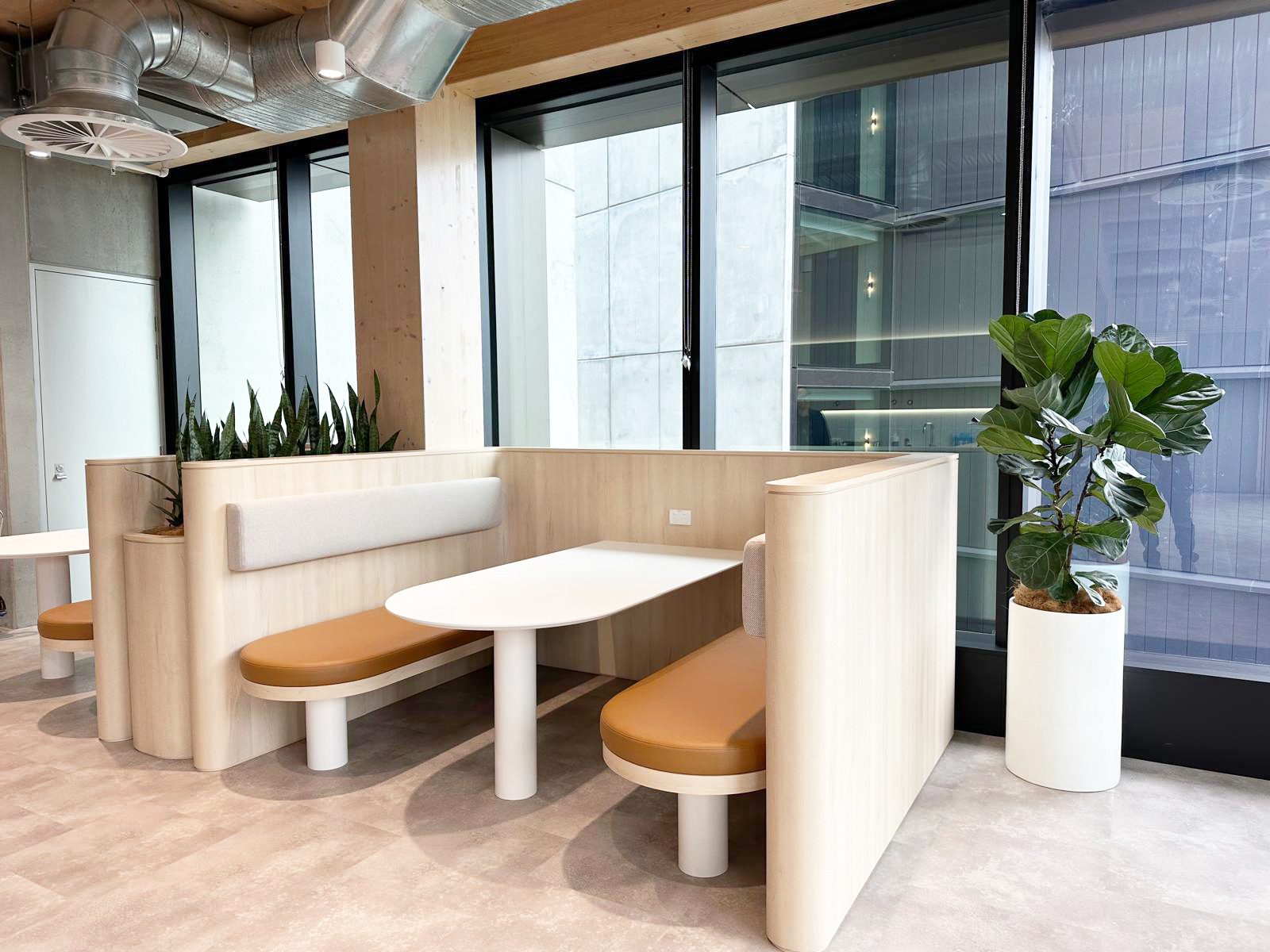
Every decision—from flooring and furniture to paint and lighting—affects the environmental footprint of a building. Modern sustainable fit-outs increasingly prioritise materials with lower embodied carbon and healthier indoor air quality, such as FSC-certified timber, recycled metals and low-VOC paints. These choices reduce harmful emissions and help maintain cleaner indoor air from day one.
Another important shift is the move away from disposable design thinking. Instead of fixed layouts that require demolition and replacement as businesses grow, many workplaces now use modular furniture and flexible design systems. This reduces construction waste and allows spaces to evolve without constant renovation.
Sustainability at this stage is fundamentally about longevity – creating interiors that can adapt, rather than be replaced.
How plants contribute to high-performing workplaces
Once a space is operational, design focus shifts toward performance: energy efficiency, comfort and indoor environmental quality.
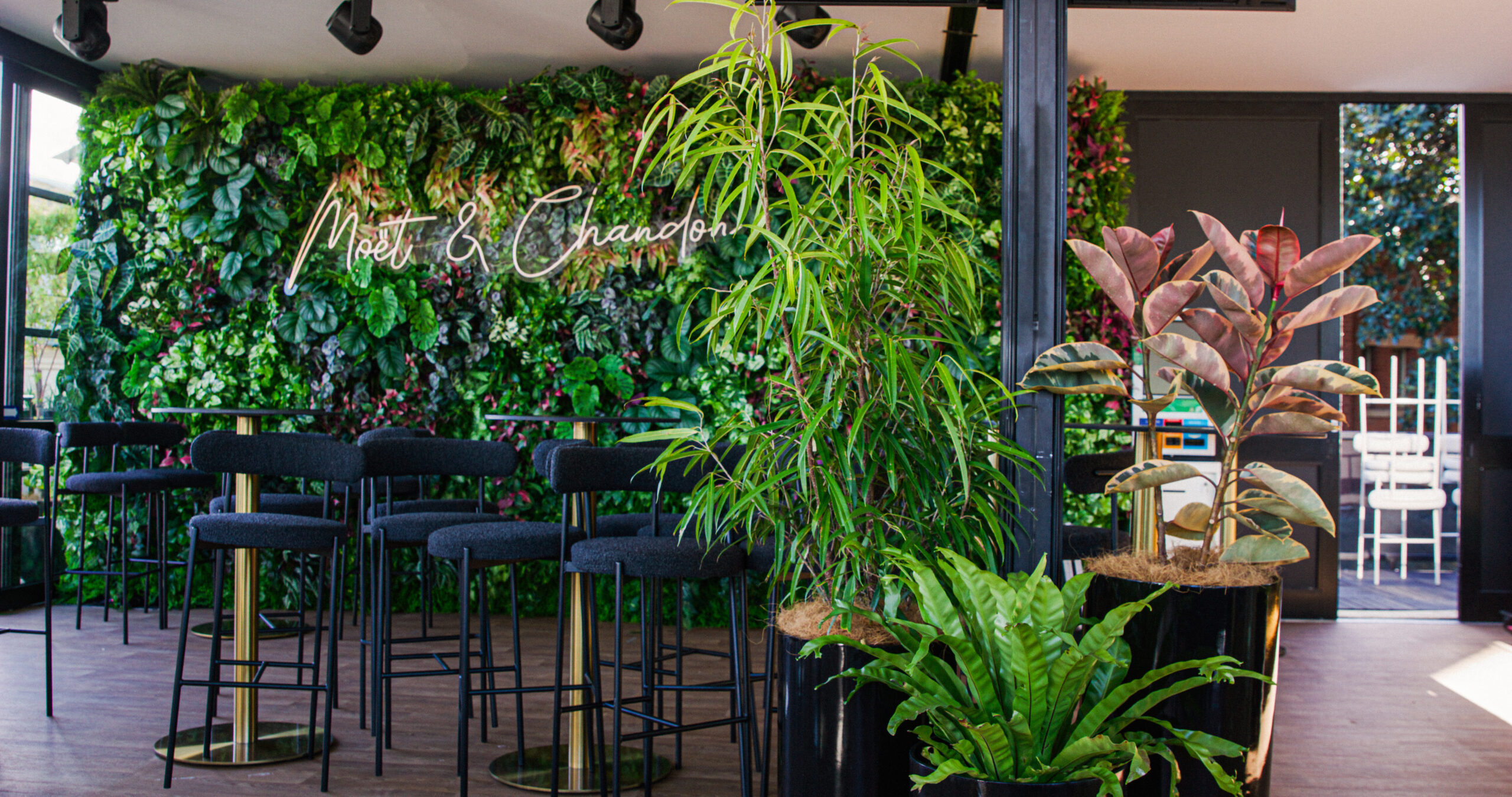
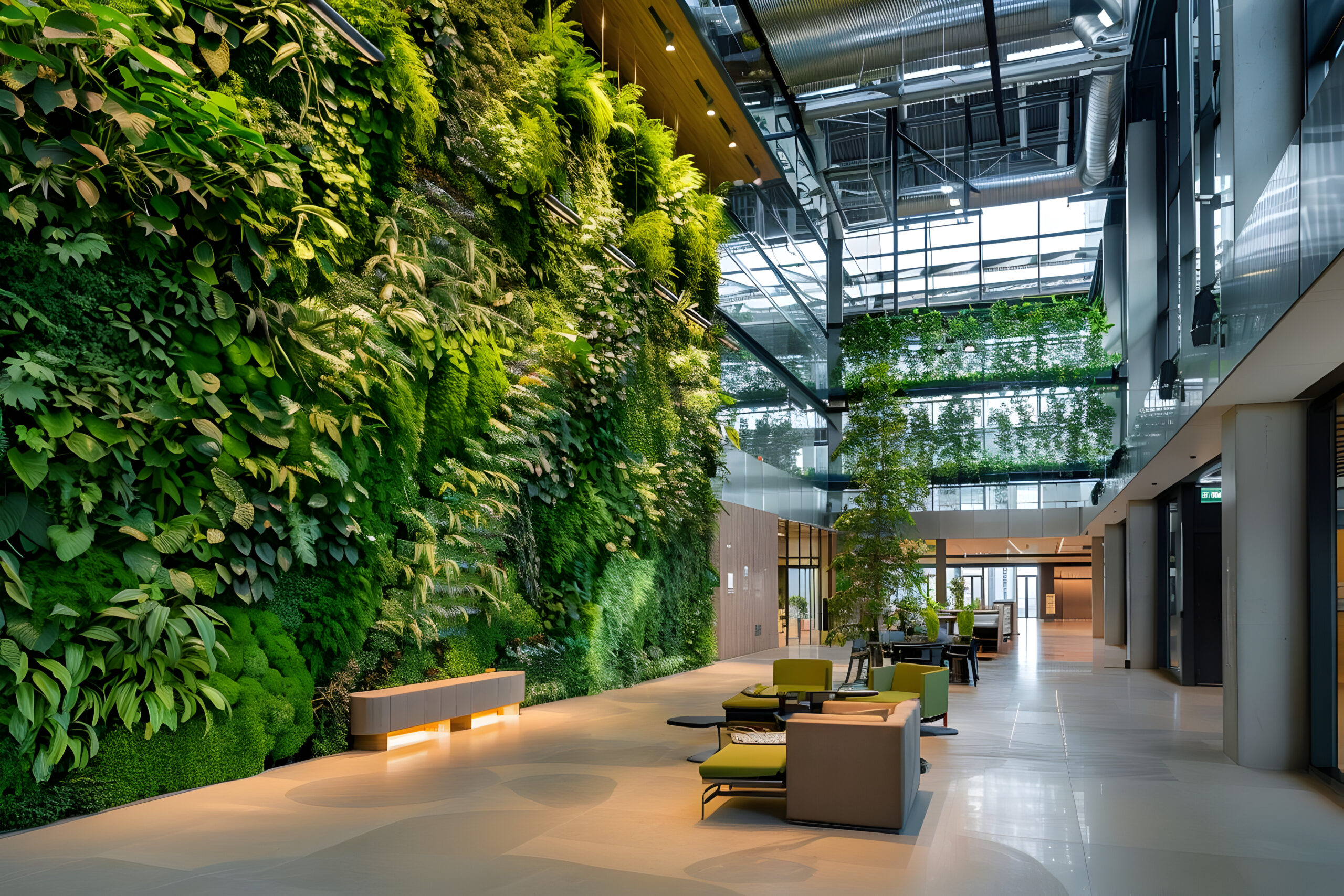
This is where biophilic design, the integration of natural elements into built environments, becomes especially important. Learn more about our approach on our biophilic design page.
Indoor plants help soften interior climates by supporting humidity regulation and improving perceived air quality. While they are not a substitute for mechanical ventilation systems, they contribute to a more balanced and comfortable indoor environment when used at scale and with proper design planning.
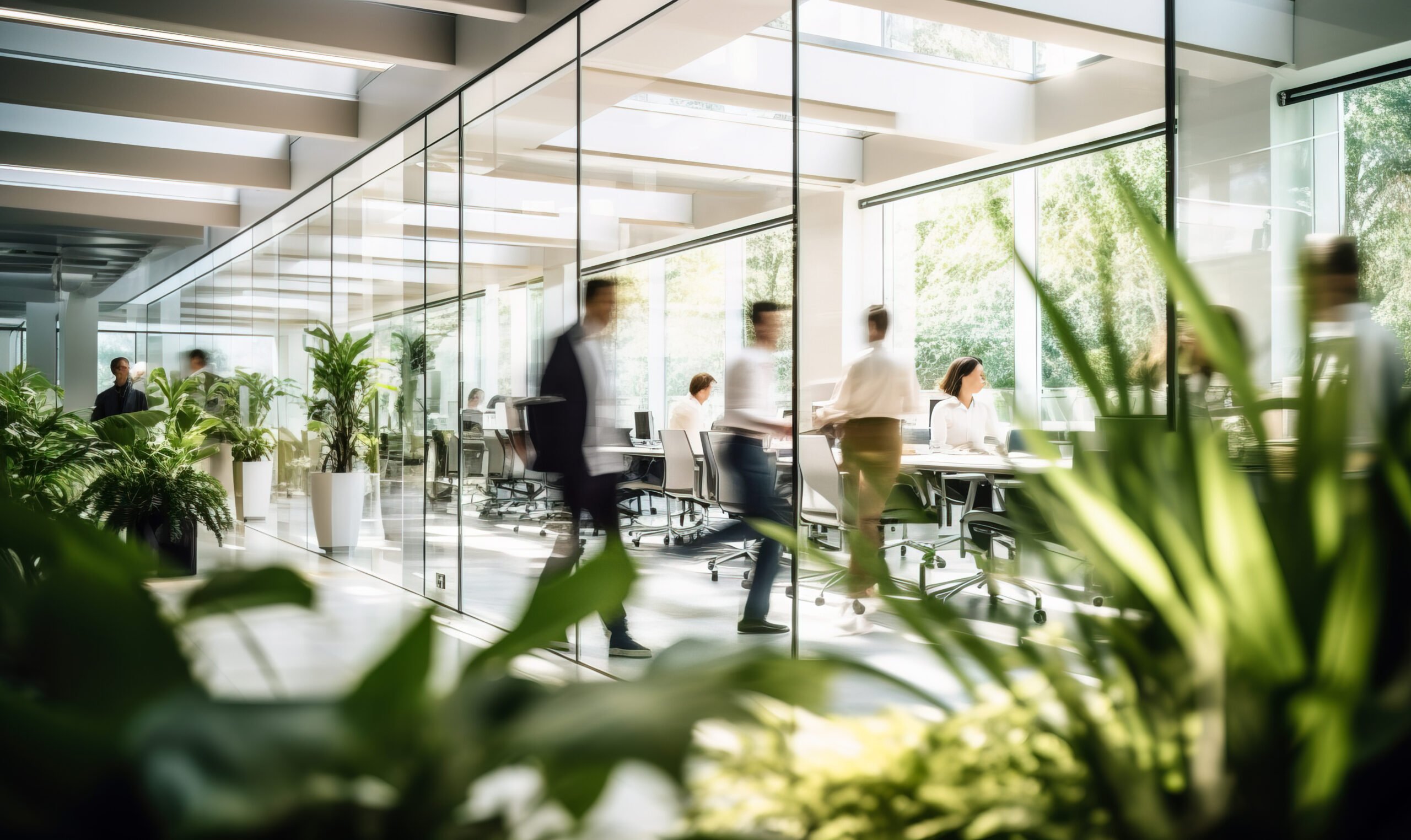
In well-designed, daylight-rich spaces, greenery can also complement natural light strategies. Studies in the built environment sector suggest that daylight-optimised workplaces can significantly reduce reliance on artificial lighting, in some cases by substantial margins when combined with smart design and sensor-based systems.
These systems—such as occupancy sensors and automated lighting controls—adjust energy use based on real-time demand. When paired with planting schemes that thrive in natural light zones, they contribute to more efficient overall building performance.
Over time, this combination of natural and technical systems can meaningfully reduce operational energy consumption across commercial spaces.
Indoor plants and Green Star considerations
In Australia, sustainability performance is often measured using the Green Star rating system, developed by the Green Building Council of Australia.
Within this framework, indoor plants can contribute to sustainability outcomes under indoor environmental quality categories. In some Green Star – Interiors assessments, professionally designed indoor planting schemes may contribute to credit achievement when they meet specific design and maintenance criteria.
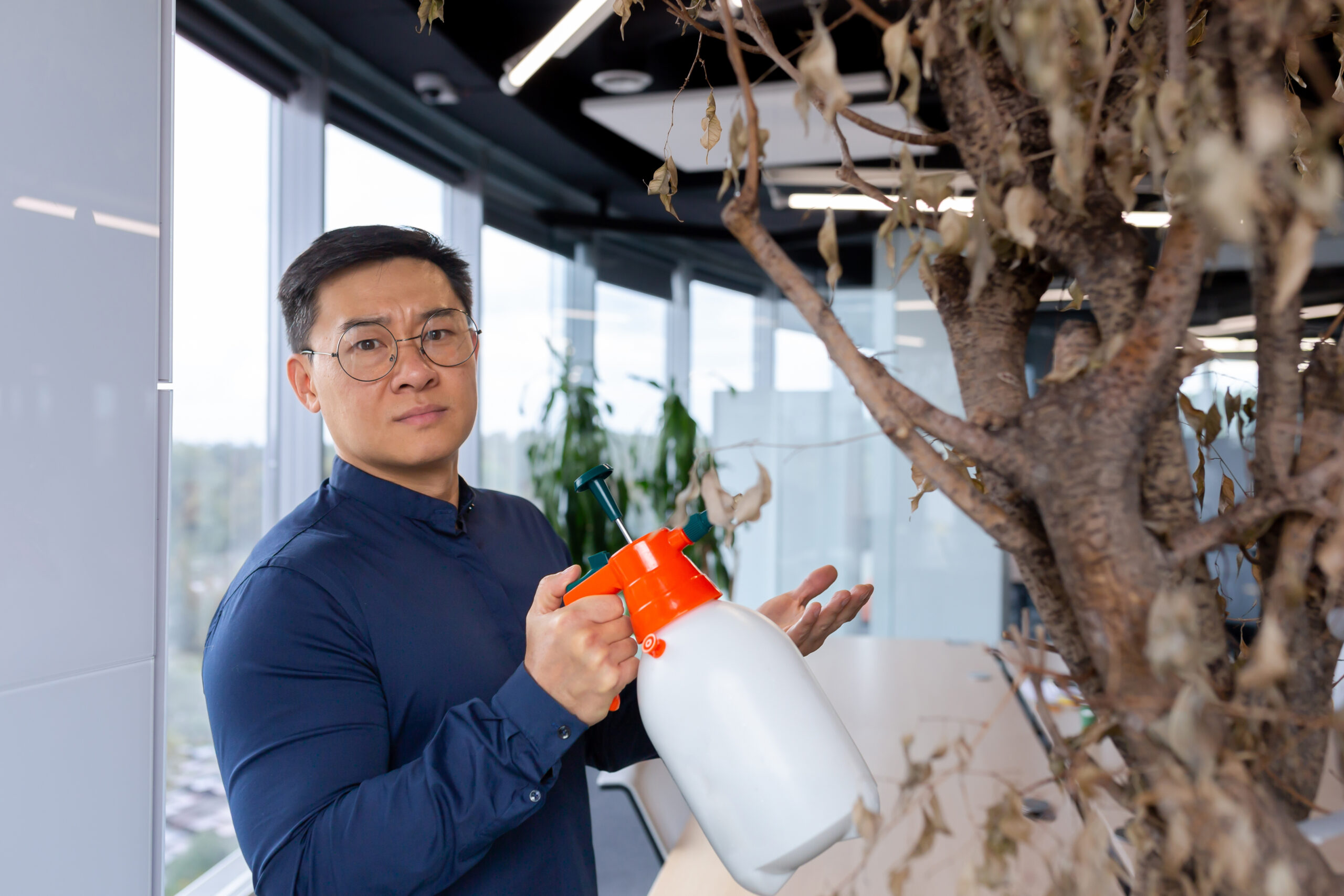
To be eligible, installations typically need to meet minimum soil volume requirements relative to floor area and be supported by a professional maintenance program. This ensures plants are not treated as decorative objects, but as managed living systems that actively contribute to indoor environmental quality.
This approach reinforces an important principle: sustainable planting is not just about placement, but about ongoing care, water management and system integration.
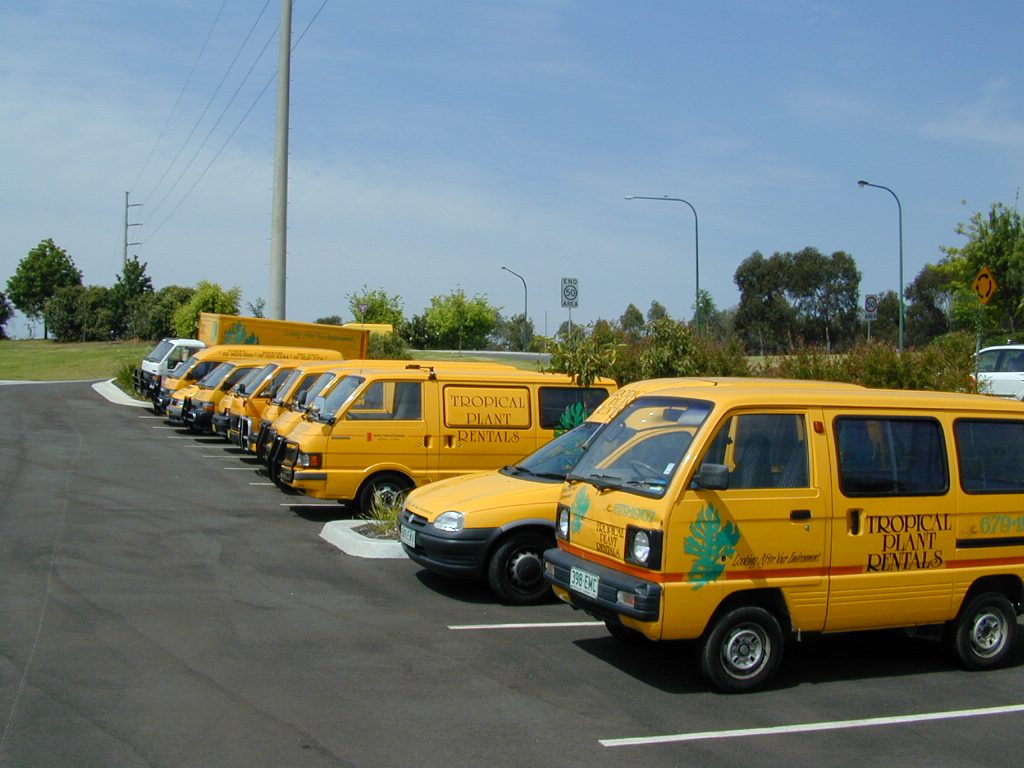
Plants are more than decoration—they are integral to high-performing buildings. With over 20 years’ experience delivering plant solutions for Green Star, WELL, and NABERS projects, Tropical Plant Rentals brings deep expertise to sustainable commercial developments and fit-outs.
As a long-standing member of the Green Building Council of Australia, we collaborate with architects, designers, builders and project teams to ensure plant installations:
- align with Green Star indoor environmental quality requirements
- support WELL building performance objectives focused on occupant wellbeing
- integrate correctly with HVAC, lighting and irrigation systems
- are designed for long-term plant health, maintainability and compliance
- contribute to cohesive, sustainable interior environments rather than standalone decoration
This integrated approach ensures indoor planting is not an afterthought, but a deliberate design element that supports both environmental performance and human experience within the built environment. For more information on Green Star rating see our “Green Star Experts” blog
Responsible sourcing and circular practices
Sustainability also extends beyond the building itself into how materials and plants are sourced and managed.
Where possible, plants are sourced from Australian growers to reduce transport-related emissions and support local horticultural industries. This also helps ensure plants are better adapted to local conditions, improving longevity and reducing replacement needs.
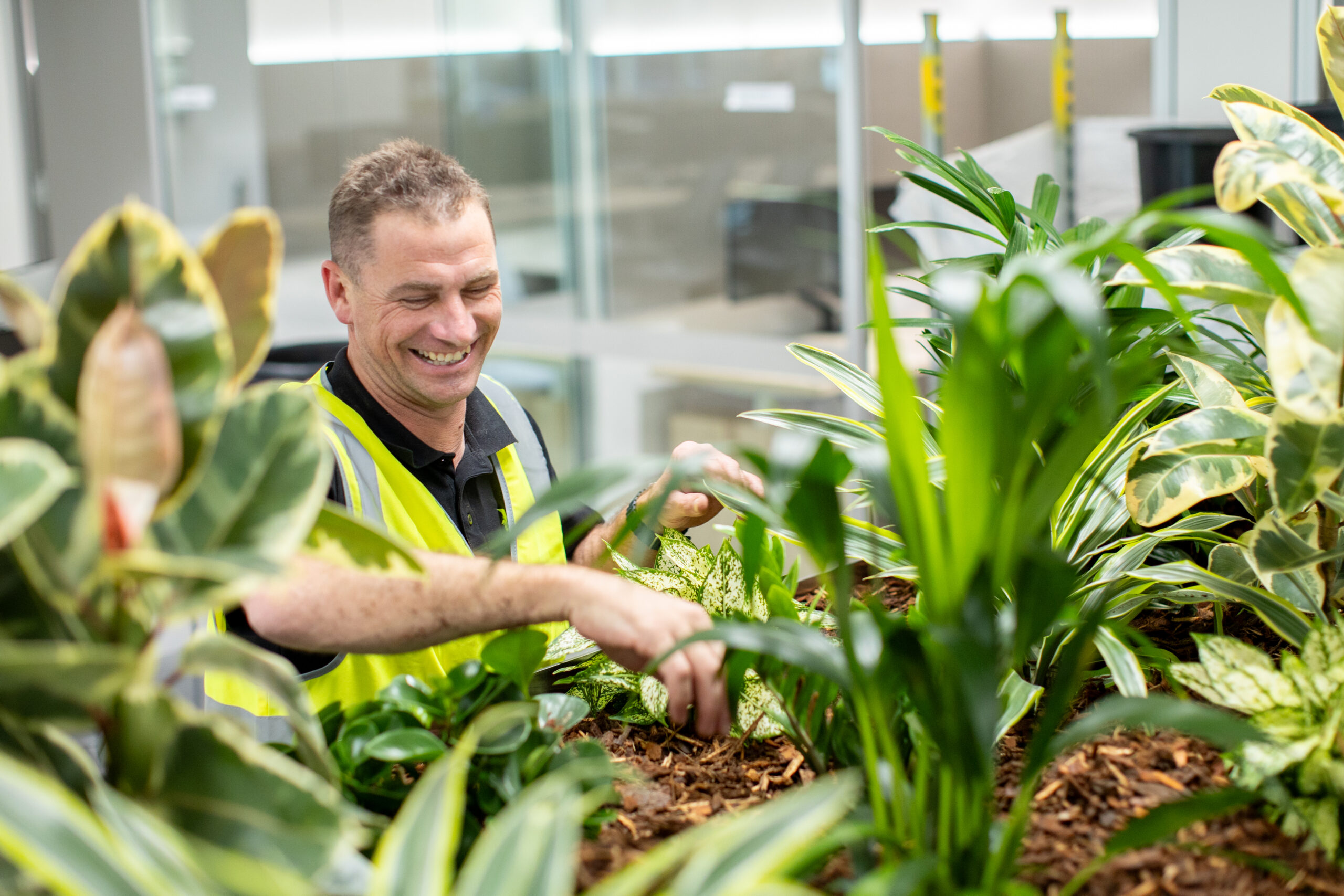
Maintenance practices are designed to reduce waste and resource consumption through efficient irrigation; careful fertiliser use and ongoing plant health monitoring that extends lifecycle performance.
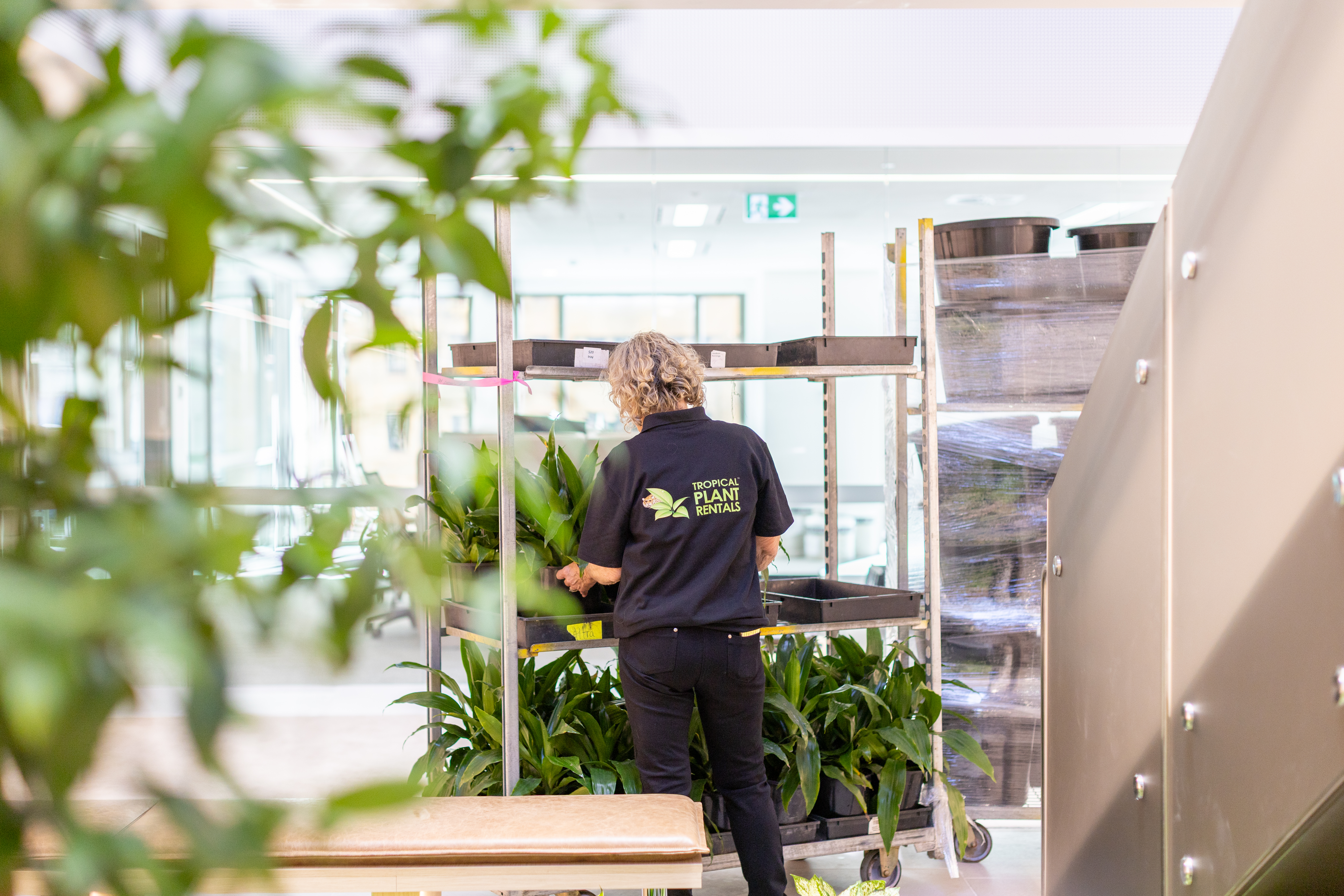
Our plant hire service maintains premium presentation through regular rotation and replacement schedules. When plants no longer meet visual standards, they are not discarded. We offer Clients the plants they’ve grown attached to, extending their lifecycle and emotional value.
Remaining plants are donated to nursing homes, charities and community organisations, helping share the wellbeing benefits of greenery beyond commercial spaces.
Planters and materials are reused or recycled wherever possible, supporting a more circular approach to indoor landscaping.
The goal is simple: treat greenery as part of a continuous system—not a single-use installation.
Smart design, water efficiency and long-term performance
Sustainability in modern workplaces is increasingly supported by technology.
Smart building systems such as moisture sensors, automated irrigation and energy-efficient lighting controls help reduce unnecessary resource consumption. These tools ensure plants receive appropriate care without overwatering or excessive energy use.
In integrated fit-outs, collaboration between architects, interior designers and plantscaping specialists is essential. Proper waterproofing, drainage planning and system coordination prevent maintenance issues and extend the lifespan of both plants and interior finishes.
This level of coordination is what transforms indoor greenery from a decorative feature into a functional component of a building’s environmental strategy.
The bigger picture: Sustainability that people can feel
While sustainability is often measured in carbon reduction, energy efficiency and resource savings, its impact is also experienced at a human level.
Workplaces that incorporate natural elements tend to feel calmer, more comfortable and more visually balanced. Employees often report improved focus and satisfaction in environments where greenery is thoughtfully integrated into the design.
Clients and visitors notice it too. A well-designed green space signals care, intention and attention to detail—values that increasingly influence how businesses are perceived.
Sustainability, at its best, is not just something a building achieves. It’s something people can feel the moment they walk through the door.
Frequently asked questions
Are sustainable office fitouts more expensive?
Sustainable fitouts can involve a higher upfront investment, but they often reduce long-term operating costs through improved energy efficiency, reduced waste and longer-lasting materials. Over time, they can deliver strong financial and environmental value.
What are the most sustainable materials for office fitouts?
Common sustainable materials include FSC-certified timber, recycled metals, low-VOC paints and modular furniture systems. These materials reduce environmental impact and support healthier indoor air quality.
Do indoor plants actually improve sustainability in offices?
Indoor plants contribute to sustainability by supporting indoor environmental quality, improving comfort and forming part of biophilic design strategies. When professionally designed and maintained, they can also contribute to Green Star sustainability credits.