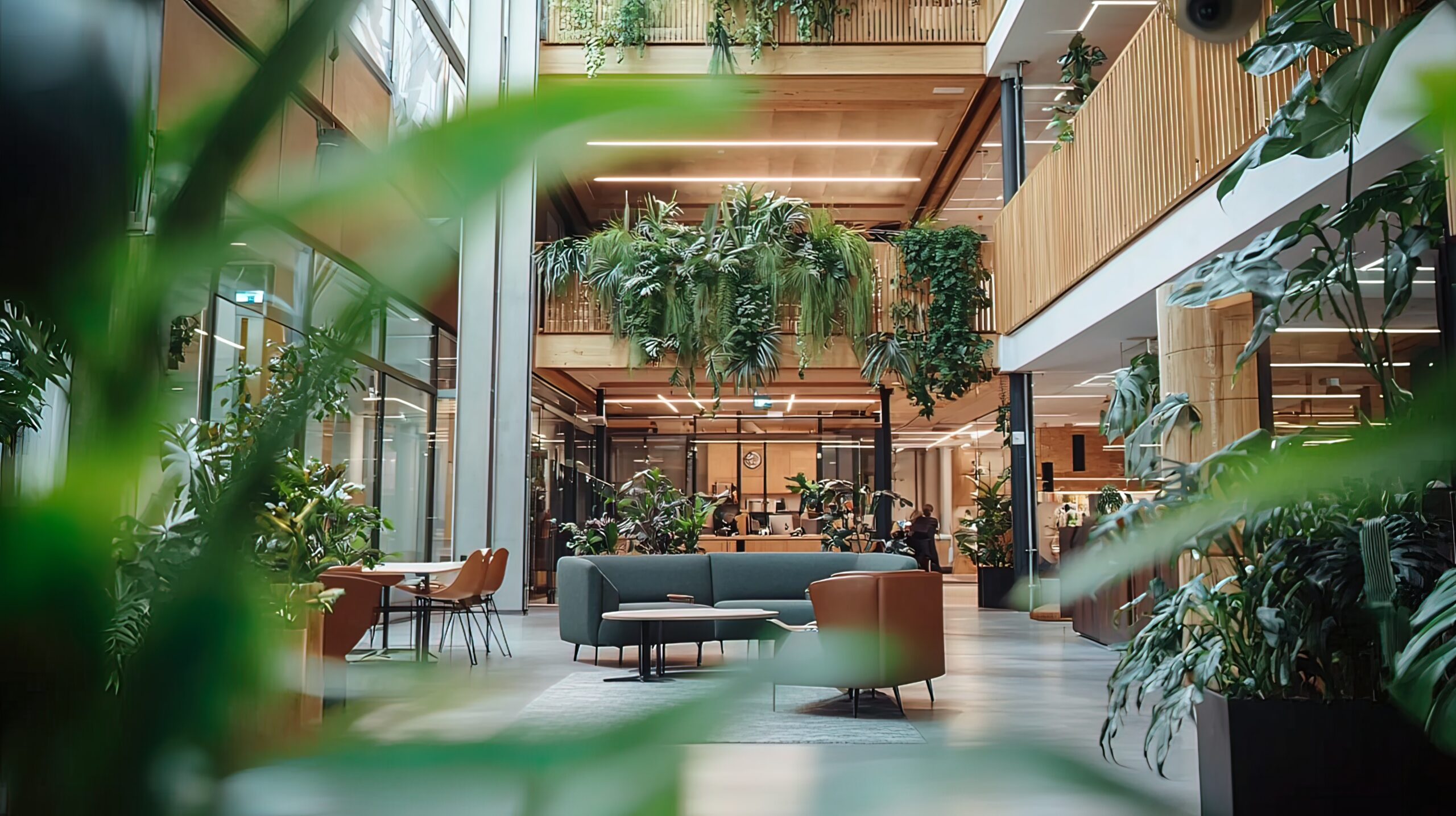
In Australia’s commercial construction and fit-out industry, Green Star certification has become a widely recognised benchmark for sustainable design. It reflects more than environmental performance — it represents healthier, more efficient and more resilient buildings.
Within that framework, indoor plants often sit in an unexpected category. They are not decorative extras but considered components of indoor environmental quality (IEQ) strategies when designed and maintained correctly.
At Tropical Plant Rentals, we have spent more than 20 years working within this space, supporting architects, builders and designers across Australia to integrate living systems into complex commercial environments. As a long-standing member of the Green Building
Council of Australia and a team of around 50 specialists across horticulture, design and operations, our role sits at the intersection of compliance, design intent and long-term plant performance.
Plants only succeed in Green Star environments when they are treated as part of the building system — not as an afterthought.
Where plants sit within Green Star – Interiors
The Green Star – Interiors rating tool assesses multiple categories, including energy, materials, management and indoor environmental quality.
Within IEQ, the Indoor Pollutants credit recognises indoor planting as a contributing strategy. When correctly implemented, it can contribute up to two points toward certification.
However, eligibility is not based on aesthetic presence. It is based on measurable criteria, including:
- Minimum 500 cm² of soil surface area per 10 m² of floor space
- A documented, ongoing professional maintenance program
- Plants selected and installed for long-term survival in indoor conditions
These requirements shift planting from decoration into technical design — requiring coordination across architecture, interiors and horticulture.
Why soil surface area defines compliance
One of the most misunderstood aspects of the Indoor Plants credit is that plant quantity is irrelevant. What matters is soil surface area.
This distinction changes how planting must be designed from the outset.
In practice, it means:
- Small pots can contribute when aggregated correctly
- Larger feature planters carry more weight in calculations
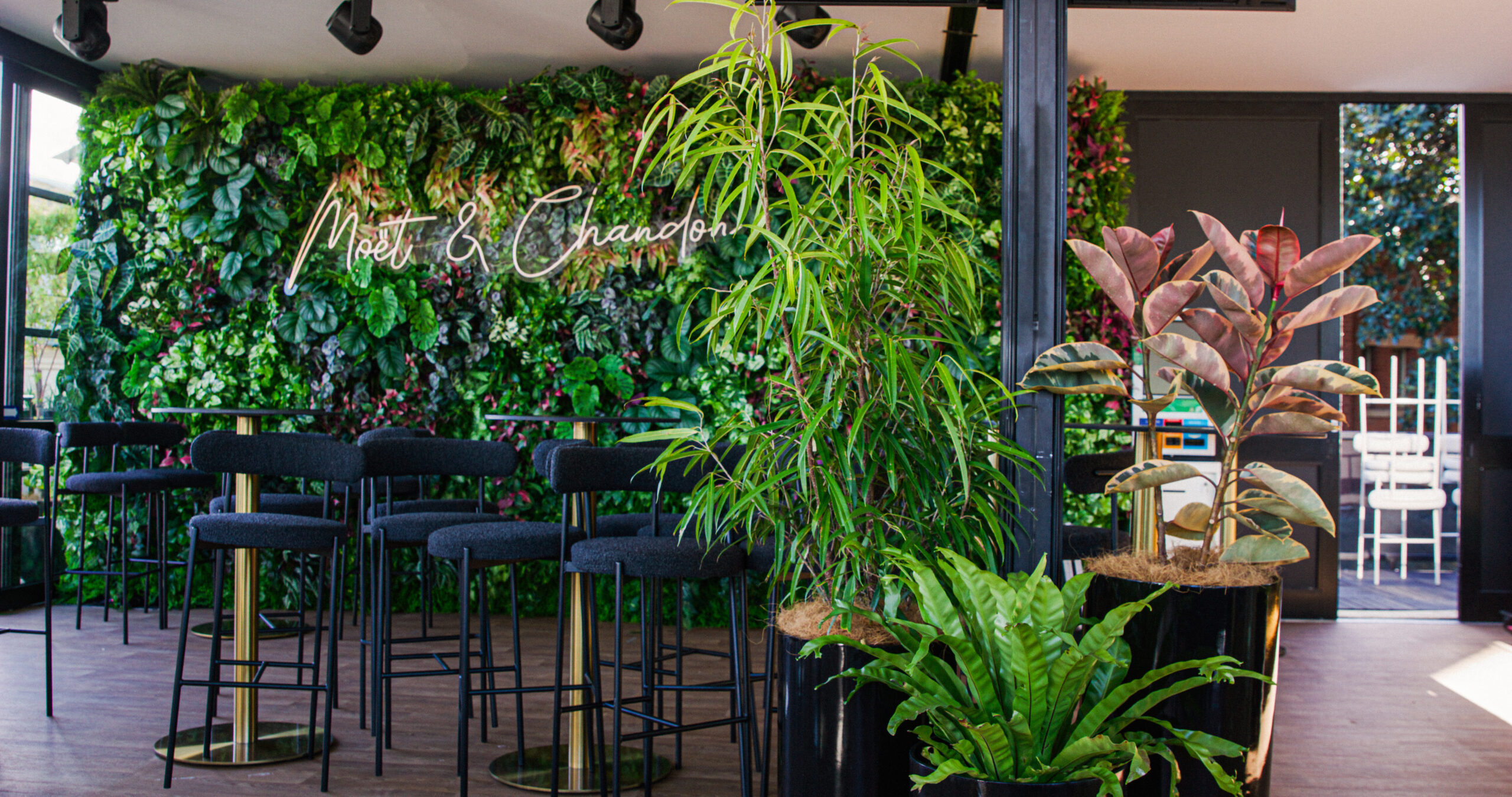
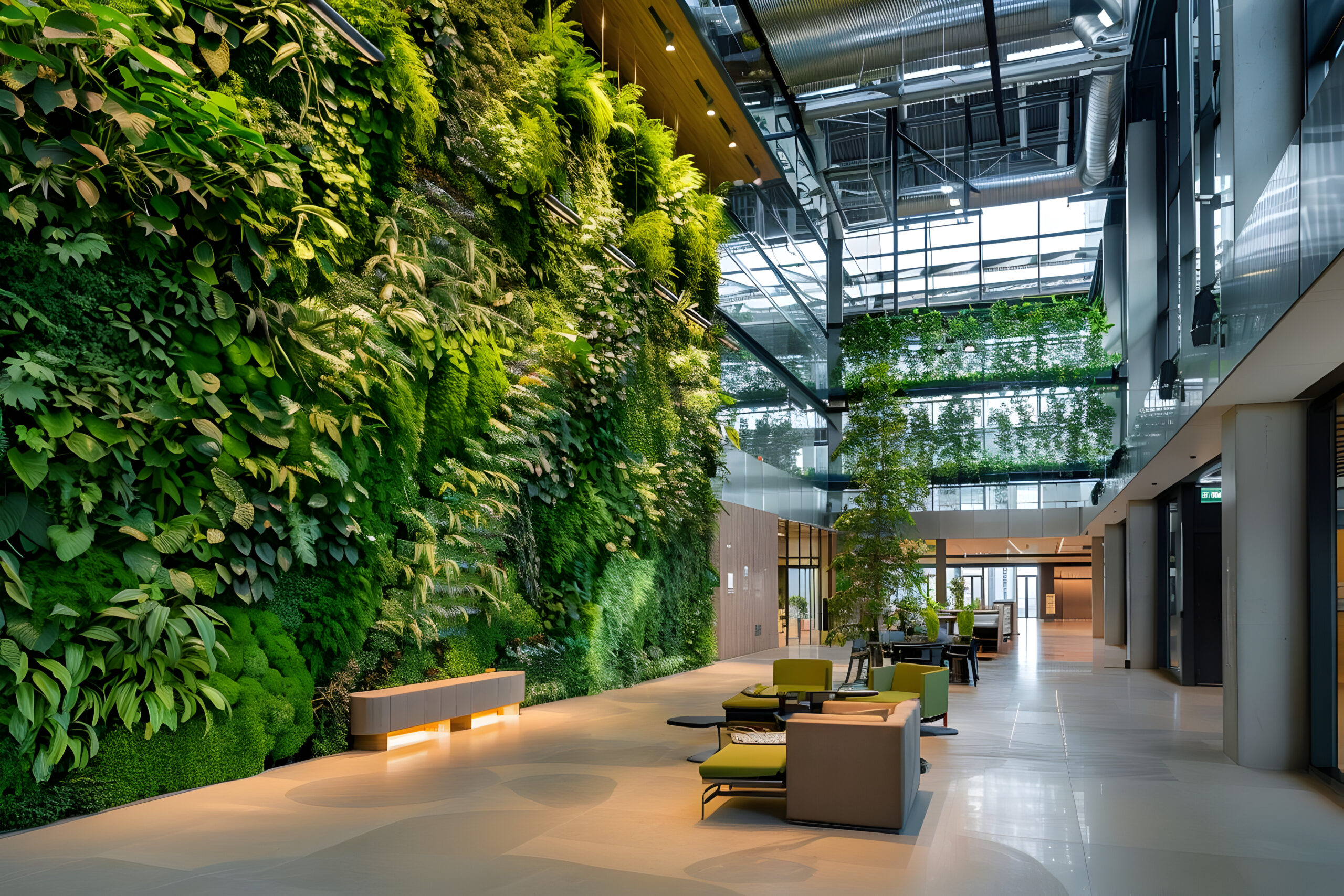
- Vertical planting systems can be included if soil area is accurately accounted for
This flexibility allows designers to integrate greenery across multiple zones — from reception areas to workstations and circulation spaces — without compromising layout efficiency.
But it also means accuracy is essential. Soil surface area must be calculated, documented and aligned with Green Star requirements before installation begins.
Maintenance is not optional in Green Star projects
Green Star certification is based on performance, not intent. That distinction is critical when it comes to living systems.
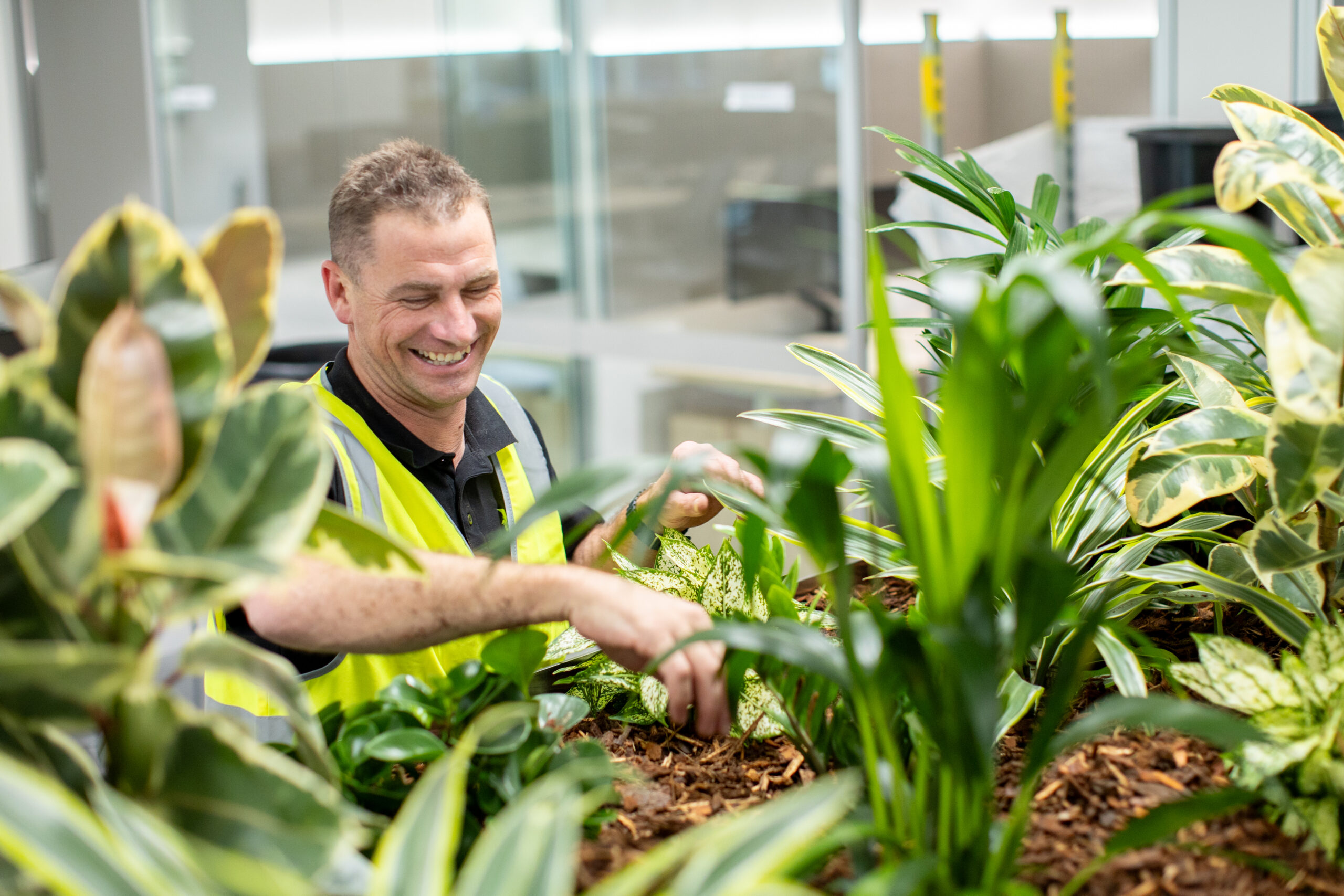
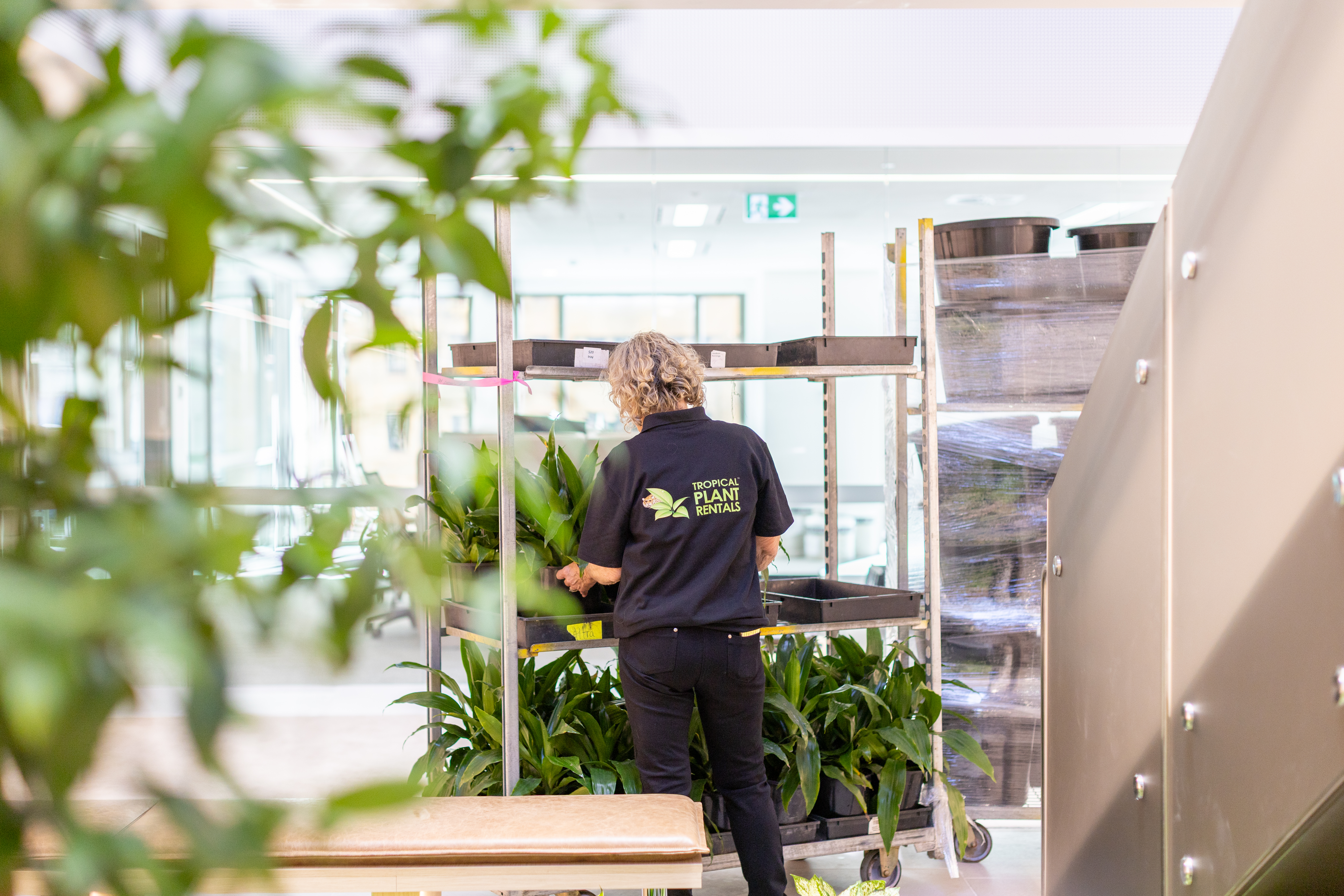
Indoor planting credits require an ongoing professional maintenance contract that ensures plant health is sustained over time.
A compliant maintenance program typically includes:
- Scheduled watering and irrigation management
- Nutrient and fertiliser programs
- Pest and disease monitoring
- Replacement of non-performing plants
- Regular reporting and documentation for audit purposes
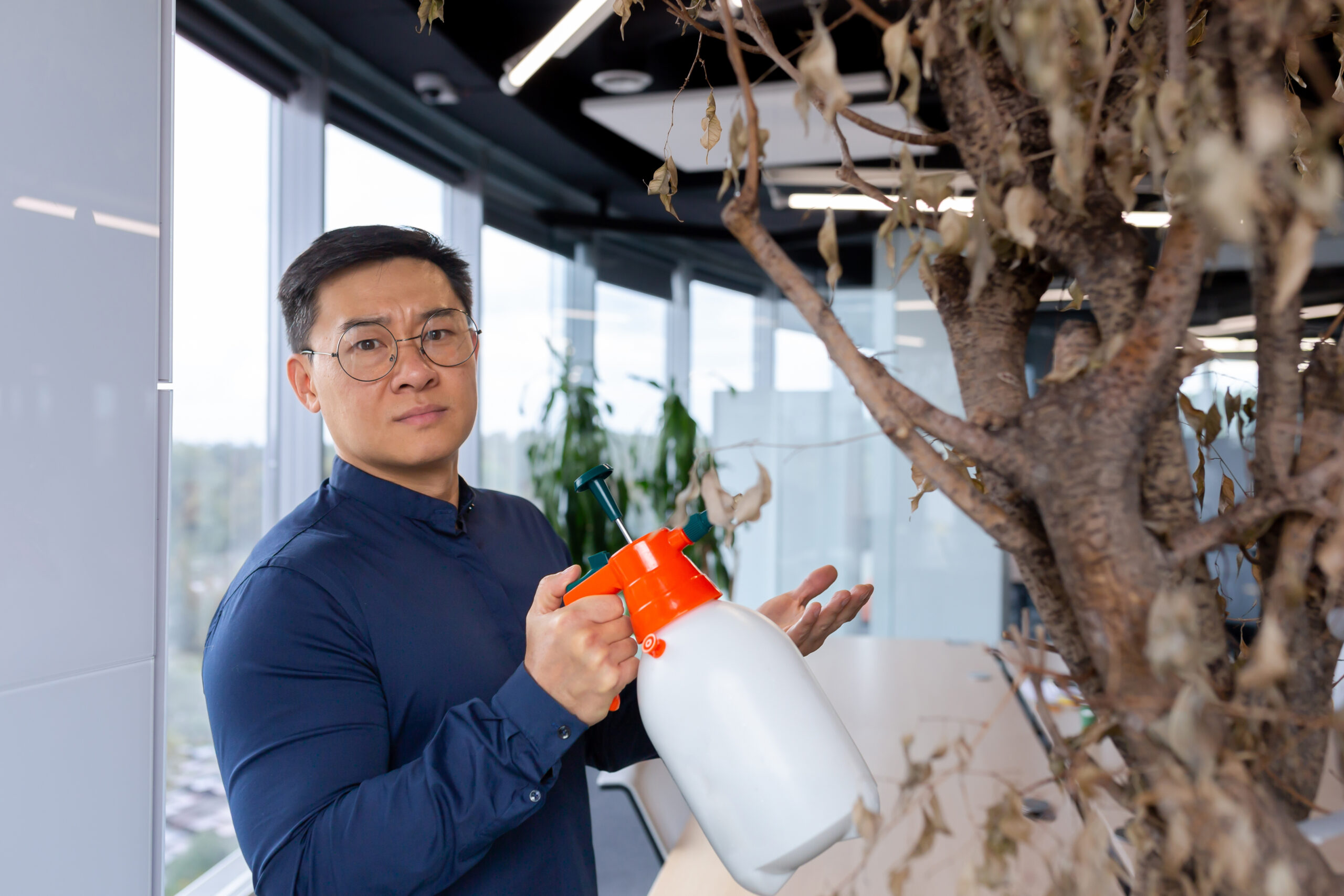
This is where many projects struggle. Facility teams are highly capable in building operations, but indoor horticultural systems require specialised knowledge to maintain compliance conditions consistently.
Without structured maintenance, plant health declines and with it, the integrity of the credit.
Design integration is where most issues are solved early
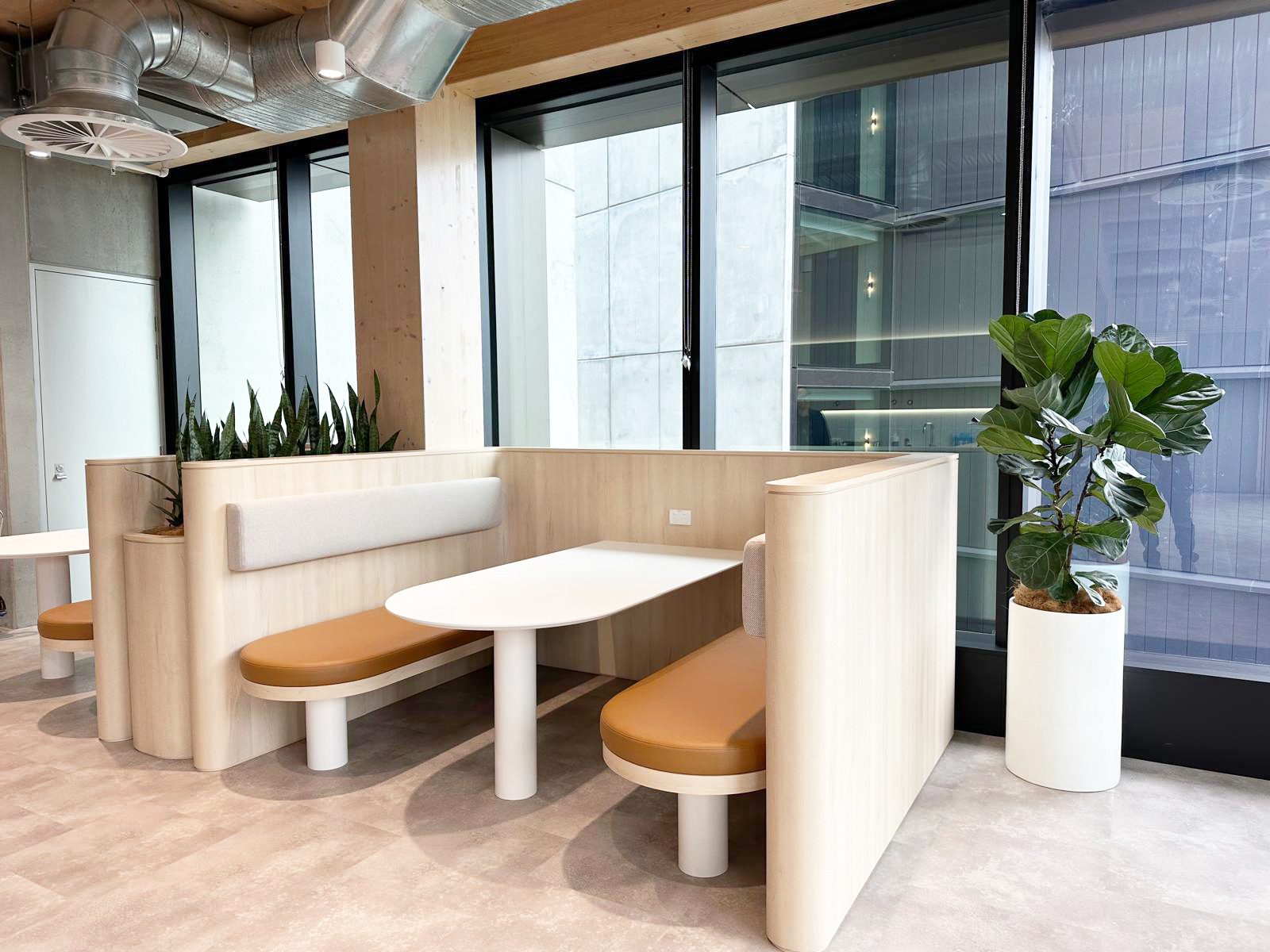
Many compliance challenges in Green Star projects originate at design stage, particularly when planter systems are treated as architectural joinery rather than horticultural infrastructure.
Common issues include:
- Lack of drainage planning
- No irrigation access strategy
- Water retention risks within cabinetry
- Inaccessible planter positioning for maintenance
Green Star guidance emphasises that plant systems must be designed for ongoing performance, not just installation-day presentation.
When we are engaged early in the design process, these issues are resolved before construction begins. Planters become integrated systems — with appropriate waterproofing, drainage layers, irrigation access and maintenance pathways built in from the start.
This alignment between design and horticulture is what allows plants to remain viable long after project completion.
Experience across real Green Star projects
Experience in this space is not theoretical. It is built through repeated delivery across live environments where design, compliance and operational reality must work together.
Across more than two decades of practice, Tropical Plant Rentals has supported numerous Green Star-certified commercial projects throughout Australia, including office towers, government facilities and large-scale fit-outs.
Several of these projects are showcased in our project portfolio, including Green Star developments that demonstrate different approaches to integrating indoor planting within certification frameworks.
Each project presented its own challenges — from atrium-scale installations requiring precise soil surface calculations, to integrated planter joinery requiring coordination with multiple trades, to maintenance programs designed around high-traffic commercial occupancy.
What these projects consistently show is that successful Green Star planting is never incidental. It is the result of early collaboration, technical accuracy and long-term horticultural planning embedded into the project lifecycle.
Beyond compliance: what plants contribute to buildings
While Green Star provides a structured framework for assessment, the value of indoor planting extends beyond certification points.
In well-designed commercial environments, plants contribute to:
- Improved indoor environmental quality perception
- Reduced visual stress in high-density workspaces
- Enhanced spatial comfort and human experience
- Softer acoustic environments in open-plan areas
- Stronger connection between built form and natural systems
These outcomes align with broader sustainability frameworks such as WELL and NABERS, where occupant wellbeing and building performance are increasingly interconnected.
Plants play a supporting role in all of these systems, not as a standalone solution, but as part of an integrated design approach.
The direction of Green Star and why it matters now
As the industry evolves, Green Star frameworks are shifting toward more holistic, whole-of-building performance models, including transitions from Interiors-focused tools toward broader fit-out and lifecycle-based assessments.
This evolution places greater emphasis on early design coordination and long-term operational performance.
For planting systems, this means:
- Greater scrutiny of ongoing maintenance
- Increased documentation requirements
- Stronger integration with building services
- Earlier involvement of specialist consultants
In practical terms, the earlier plantscaping is considered in a project, the more effectively it can support both compliance and design outcomes.
Closing perspective
Green Star is ultimately about creating buildings that perform better for people and the environment. Indoor plants, when designed and maintained correctly, are one of the few building elements that actively bridge both outcomes.
They influence how spaces feel, how they function, and how they are experienced over time.
When supported by technical planning, long-term maintenance and early design collaboration, planting systems move beyond decoration and become part of the building’s performance framework.
That is where their real value sits — not in appearance alone, but in how they support the way buildings live and breathe every day.
Frequently asked questions
Why is professional plant maintenance required for Green Star projects?
Professional maintenance is required because Green Star credits are performance-based, not installation-based. Ongoing care — including watering, fertilising, pest management, monitoring and plant replacement — ensures the installation continues to meet indoor environmental quality requirements throughout the assessment period.
Do vertical gardens count toward Green Star certification?
Yes. Vertical gardens can be included as part of the Indoor Plants credit if the total aggregated soil surface area meets Green Star requirements. Proper design documentation, irrigation planning and ongoing maintenance are essential to ensure compliance.
How do indoor plants contribute to Green Star points?
Indoor plants can contribute to up to two Green Star – Interiors points through the Indoor Pollutants credit when projects meet minimum soil surface area requirements and engage a professional maintenance contractor to ensure long-term plant health and compliance.