When it comes to greening your workspace, you have two options: purchase plants outright or hire them through a professional service. On the surface, buying can feel like the more straightforward choice. You select the plants, place them in your space and the job appears done.
But behind the scenes, indoor and outdoor plant setups involve far more logistics, risk and ongoing work than most businesses anticipate.
The real question is not just what you buy, but what it takes to keep it all working properly over time.
The logistics behind buying and installing plants
What often gets overlooked in plant purchasing is the operational layer that sits underneath the installation itself.
Large feature plants deliver strong visual impact and are often chosen for reception areas, foyers and client-facing spaces. However, they come with practical considerations:
- Heavy lifting and specialist handling requirements
- Delivery logistics including access limitations, loading docks and lift restrictions
- Transport requirements including vans, trucks and site access planning
- Replacements if plants fail or are unsuitable for the environment
Each of these steps adds coordination complexity that is rarely factored into the initial decision.
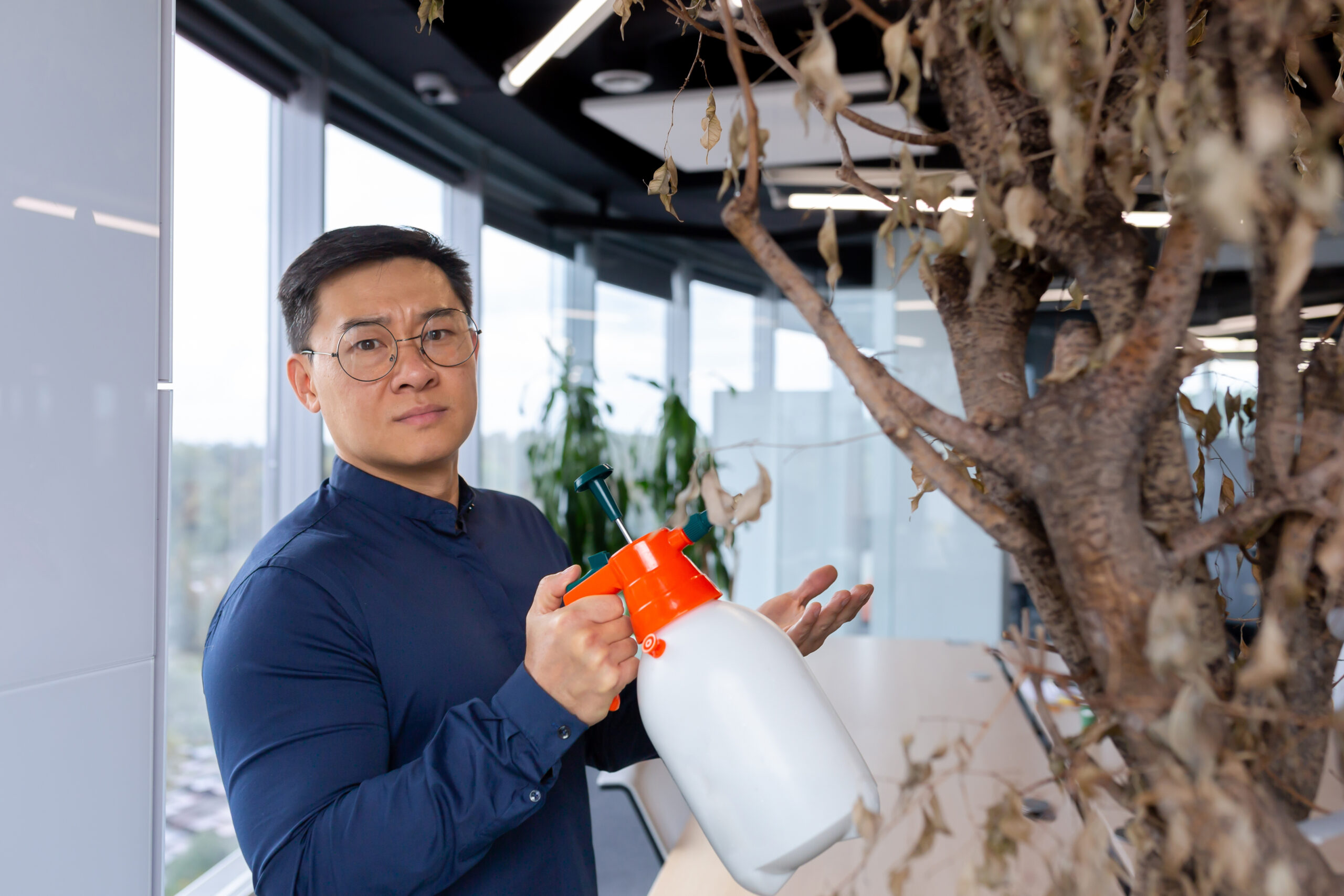
When a plant does not suit its location, it doesn’t survive and the process is often repeated: removal, transport, replacement and reinstallation.
Design consistency and brand alignment risks
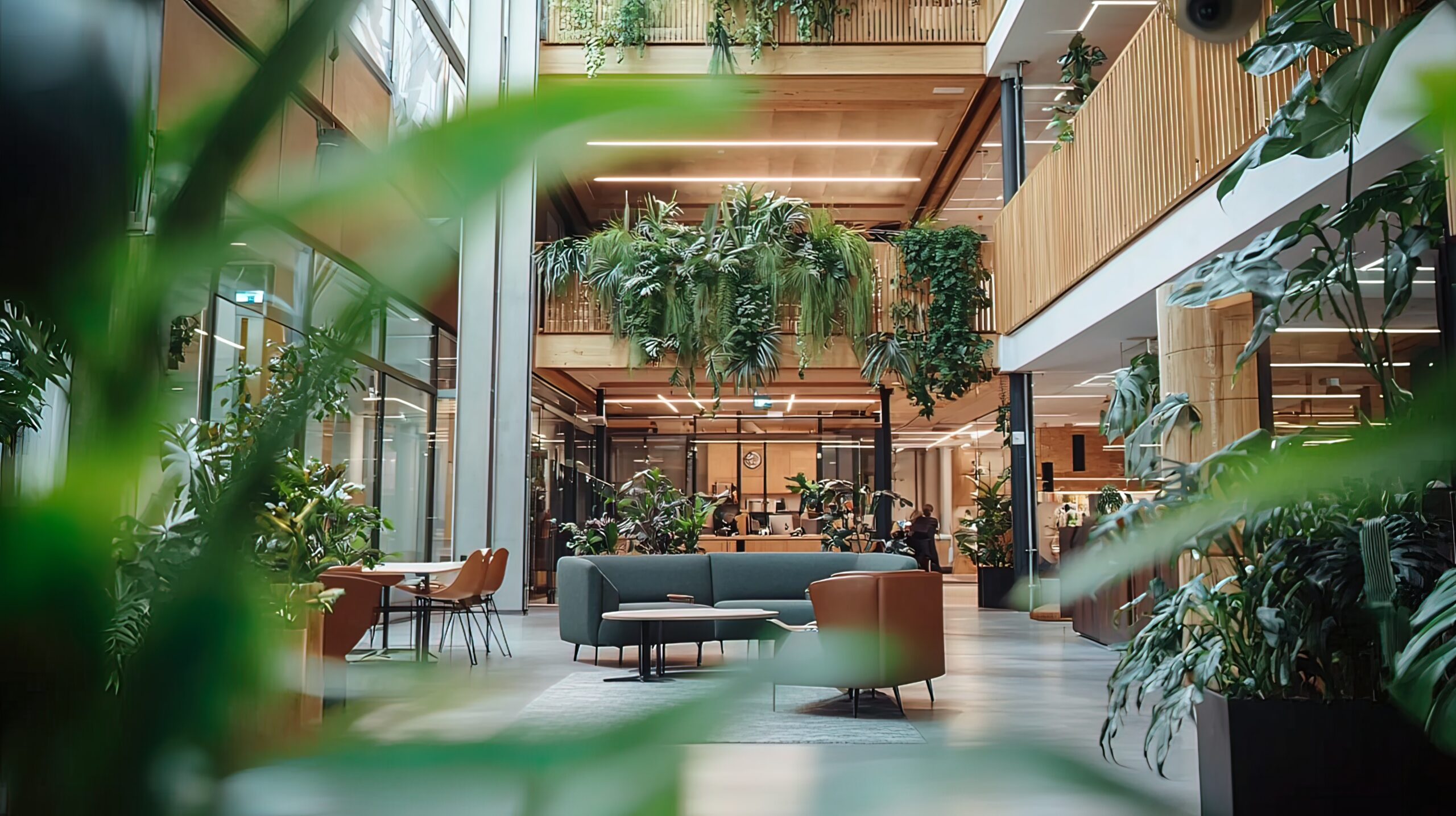
Indoor plants are not just decorative elements. In commercial spaces, they form part of the brand experience.
Without professional planning, businesses can encounter:
- Mismatched plant sizes or inconsistent styling across spaces
- Empty or underfilled pots that reduce visual impact
- Incorrect species selection that conflicts with lighting or humidity conditions
- Layouts that feel disconnected from interior design intent
These issues may seem subtle, but they can significantly affect how polished and intentional a workspace feels to clients, staff and visitors.
A consistent plant scheme requires planning, horticultural knowledge and ongoing professional care.
Maintenance challenges most businesses underestimate
Once installed, plants require ongoing care that is often more complex than expected.
Outdoor plants, in particular, introduce additional maintenance demands:
- Manual watering using hoses or irrigation systems
- Seasonal weather exposure that affects plant health
- Drainage management to prevent oversaturation or runoff issues
- Careful placement based on sun and shade conditions
Indoor plants also require structured care, but the complexity increases significantly when plants are elevated or positioned in hard-to-reach areas.
Safety and access considerations
As plant installations scale in size and ambition, safety becomes a key operational factor.
Common workplace scenarios include:
- Plants installed at height requiring ladders or elevated work platforms
- Maintenance requiring safety equipment and trained personnel
- Restricted access zones in busy office environments
- Manual handling risks associated with large container plants
Even routine maintenance such as pruning or cleaning can become a safety-managed task in larger installations.
These considerations are often invisible at the planning stage but quickly become ongoing operational requirements once the greenery is in place.
Green walls and high-maintenance installations
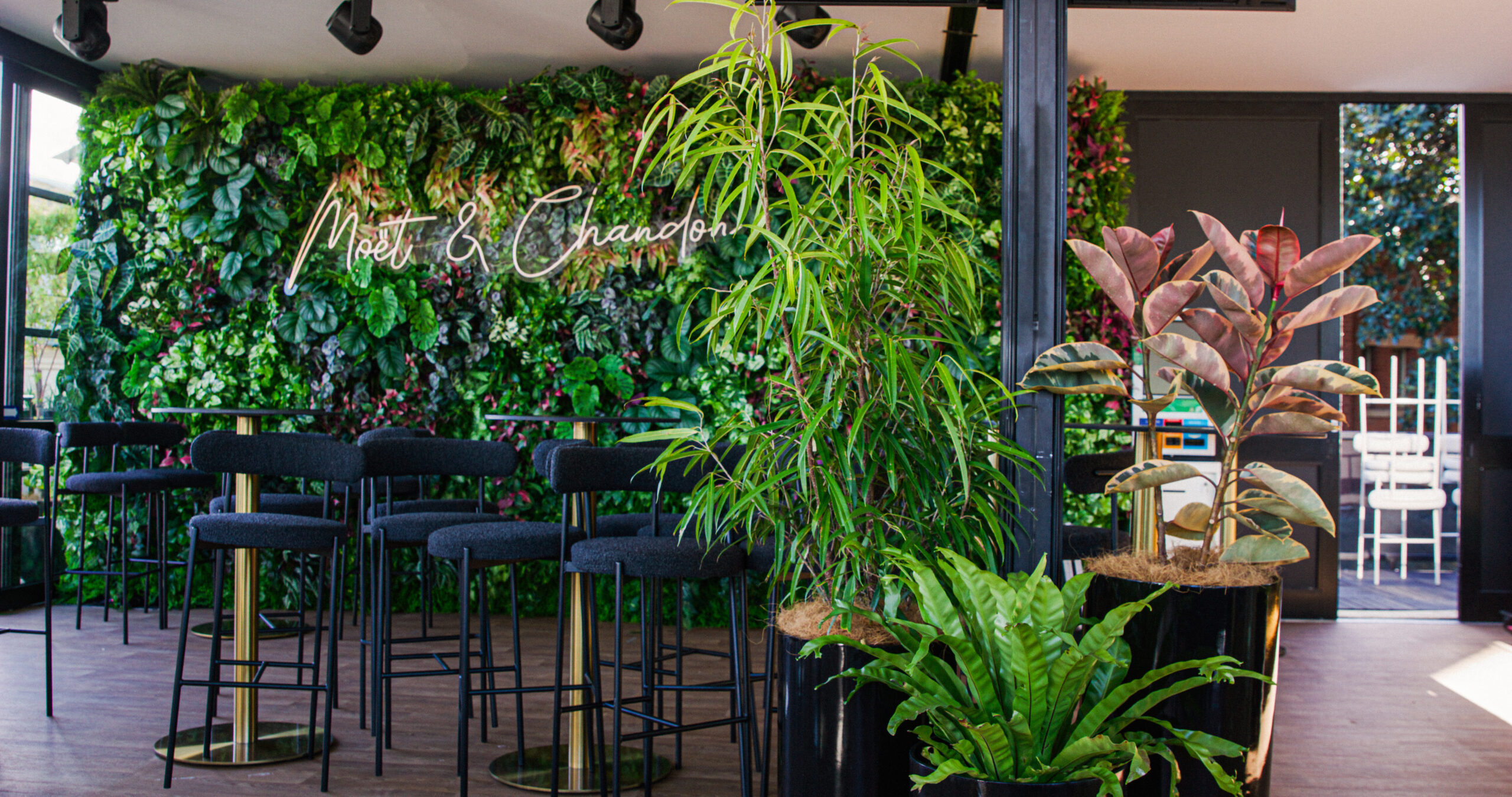
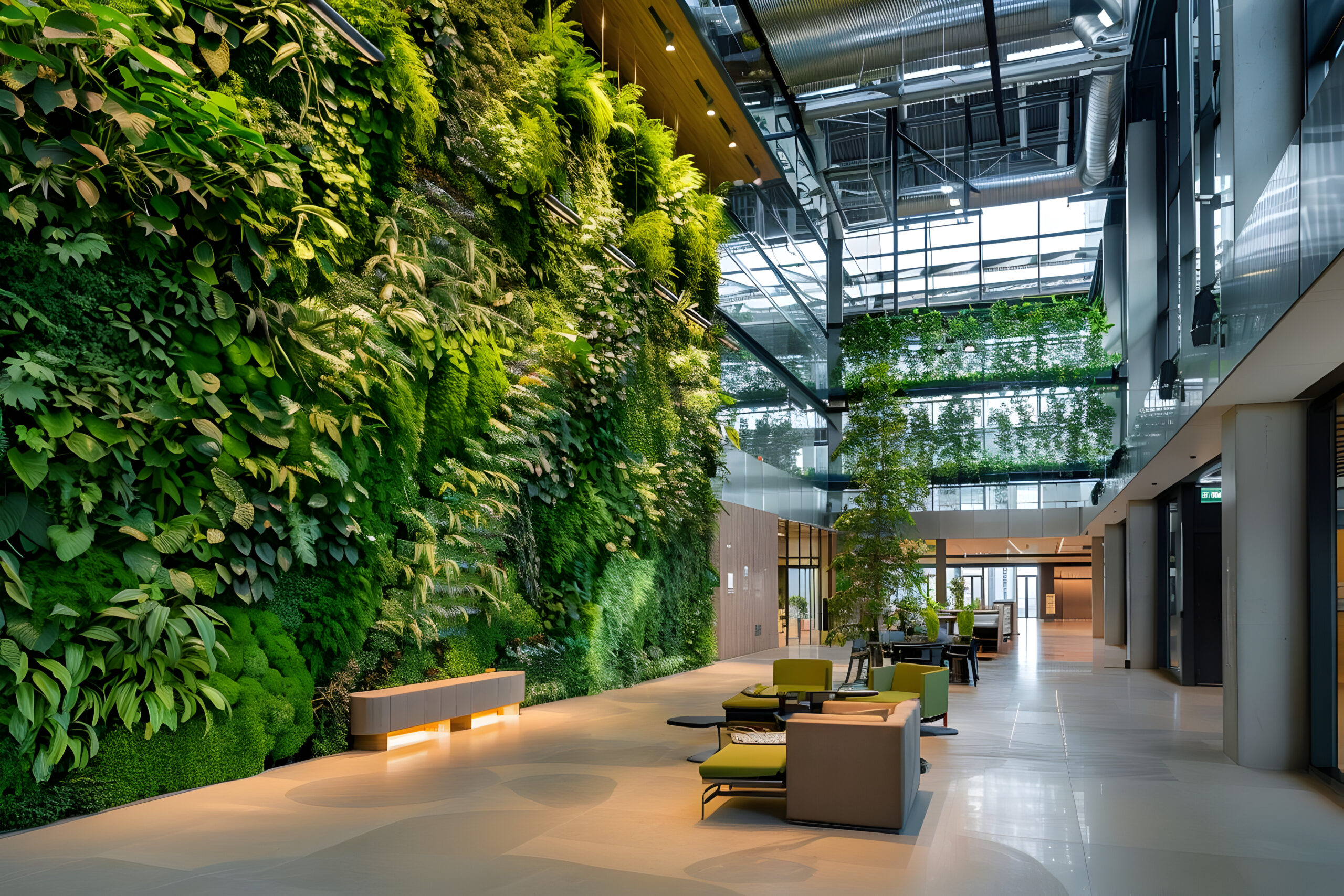
Living green walls are often seen as a premium biophilic feature, but they are one of the most technically demanding forms of plant installation.
They require:
- Integrated irrigation systems
- Ongoing water distribution calibration
- Nutrient and drainage management
- Specialist maintenance schedules
- Monitoring at individual module level
Without structured maintenance, green walls can deteriorate unevenly, resulting in patchy growth, water issues or system failure.
They are not a passive feature. They are an engineered living system that requires continuous oversight.
What plant hire quietly takes off your plate
Behind a professional plant hire service is a coordinated system that manages all of the above complexity.
This includes:
- Delivery coordination and access planning
- Installation using appropriate equipment and handling practices
- Species selection based on light, airflow and usage patterns
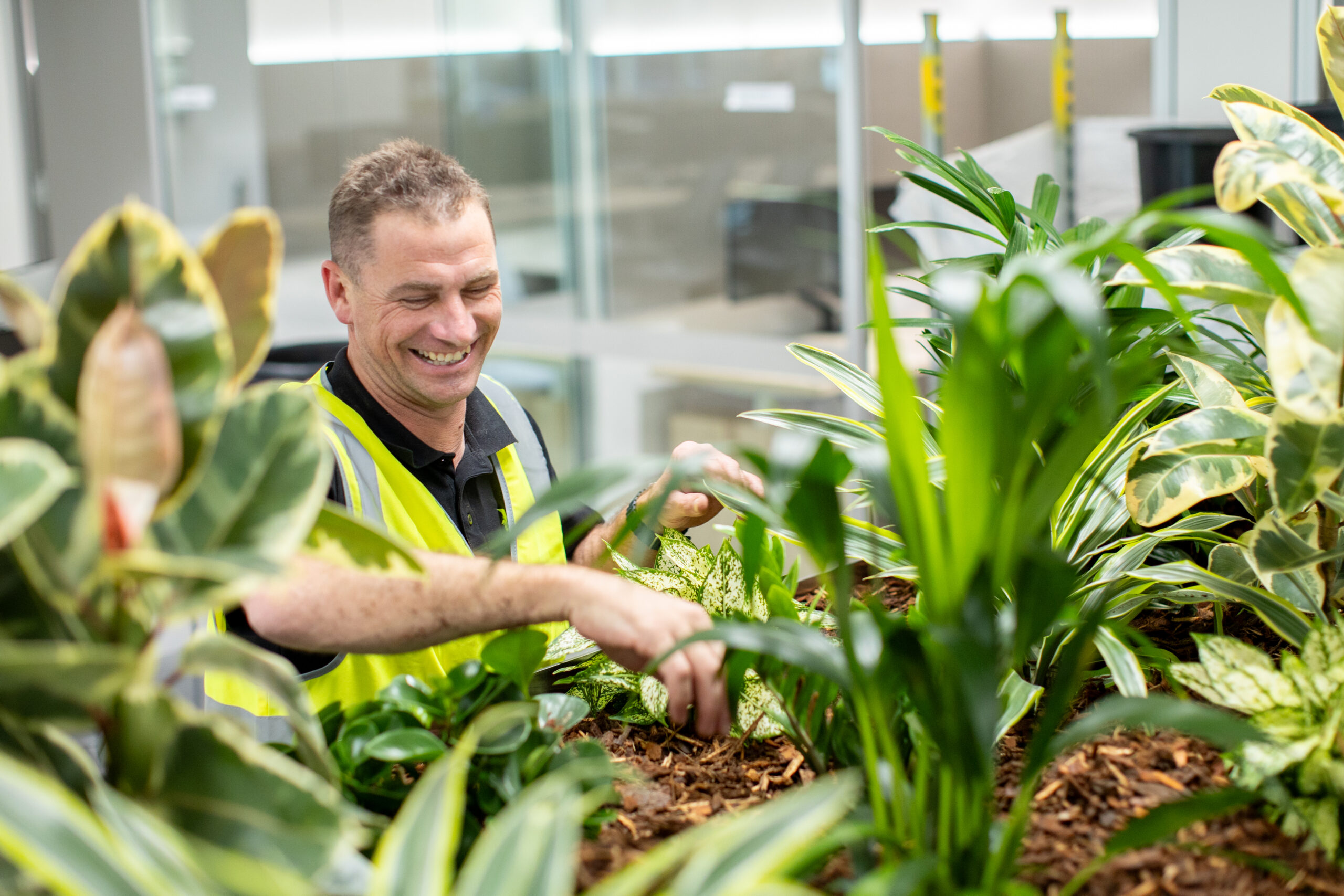
- Scheduled maintenance visits by trained horticultural technicians
- Ongoing care of both indoor and outdoor plant environments
- Free replacements if required
The goal is consistency, safety and visual alignment without placing operational pressure on internal teams.
Workplace impact and return on environment
Indoor plants are consistently linked with improved workplace experience, including higher productivity and improved employee wellbeing.
However, the outcome depends heavily on execution. Poorly maintained or mismatched plants can create visual inconsistency and a sense of neglect within a space.
A well-managed system ensures plants contribute positively to:
- Workplace atmosphere
- Client perception
- Staff comfort and engagement
- Overall spatial quality
Flexibility as a long-term advantage
Workplaces change over time. Teams grow, layouts shift and businesses relocate.
Purchased plants are fixed assets that often create more work than expected. Large feature plants and outdoor containers are heavy, difficult to move and rarely suited to a quick staff-led relocation. Replacements can also leave empty pots sitting in reception areas or meeting rooms while someone internally tries to source the right plant.
With Tropical Plant Rentals, this is managed for you.
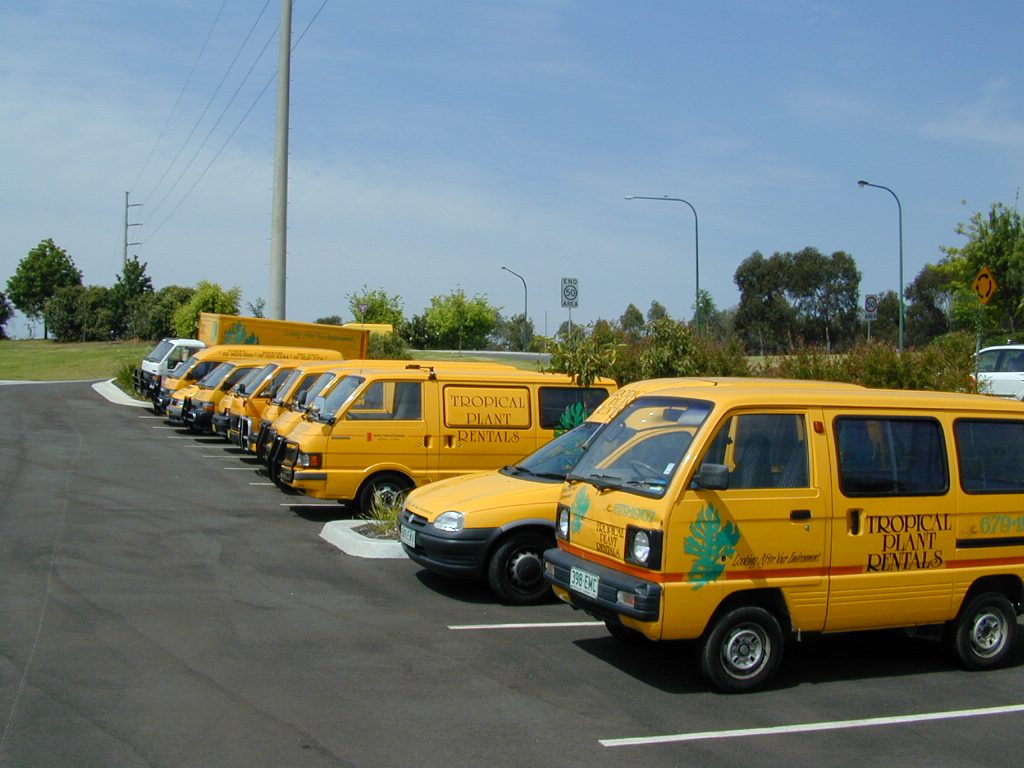
Plants are delivered and installed using our vans and trucks, reducing the need for multiple trips and minimising disruption. For elevated areas or hard-to-access spaces, we have the appropriate safety equipment and licensed operators to manage installation and maintenance safely.
More importantly, flexibility is not about frequently changing plants. It is about getting the right plants in the right place from the start.
Our specialists work closely with clients on layout and placement, considering light levels, air-conditioning, watering access and how people move through the space. This ensures plants support both long-term health and the overall biophilic design of the workplace.
If your business moves offices, we can relocate your plant installation with ease and replan it for the new environment, maintaining continuity and presentation without the stress of managing it internally.
This approach reduces downtime, avoids visual gaps in the space and keeps your workplace consistently polished.
Sustainability through managed plant lifecycles
Plant failure in unmanaged environments often results in disposal and replacement.
In contrast, a structured plant management system extends plant life through:
- Recovery and rehabilitation in controlled environments
- Relocation to more suitable conditions
- Rotation based on plant performance
- Reduced unnecessary disposal and waste
This creates a more efficient and considered approach to living workspace design.
Conclusion: it is not just plants, it is infrastructure
On the surface, buying plants appears simple.
But once logistics, maintenance, safety requirements, design consistency and environmental control are considered, indoor and outdoor plant systems become operational infrastructure.
Plant hire exists to manage that infrastructure quietly in the background so workplaces can enjoy the benefits of greenery without absorbing the complexity that comes with it.
For a deeper breakdown of contributing cost factors, see our Plant pricing guide: what it really costs?
Frequently asked questions
Are green walls difficult to maintain?
Yes. Green walls require integrated irrigation systems, consistent monitoring and specialist maintenance. Without technical care, they can develop uneven growth or system issues over time.
Why do large indoor plants require more planning?
Large plants require specialist transport, handling equipment and careful placement due to weight, access restrictions and spatial impact. If they fail or are unsuitable, replacement often involves repeating the full logistics process.
What are the hidden challenges of buying office plants?
Beyond purchase, businesses often underestimate delivery logistics, installation complexity, ongoing maintenance, safety requirements for large or elevated plants and the risk of mismatched or declining plants affecting workplace presentation.