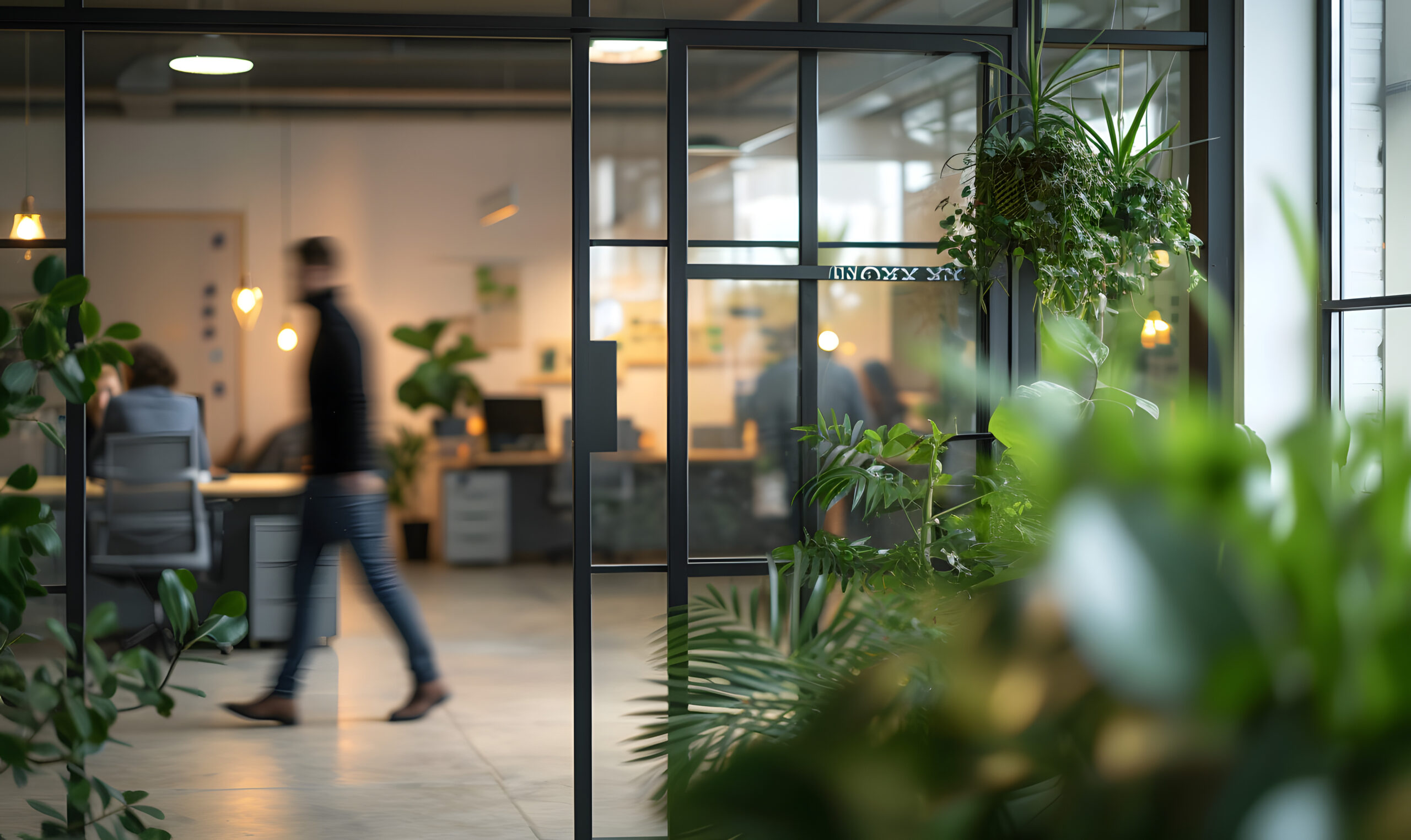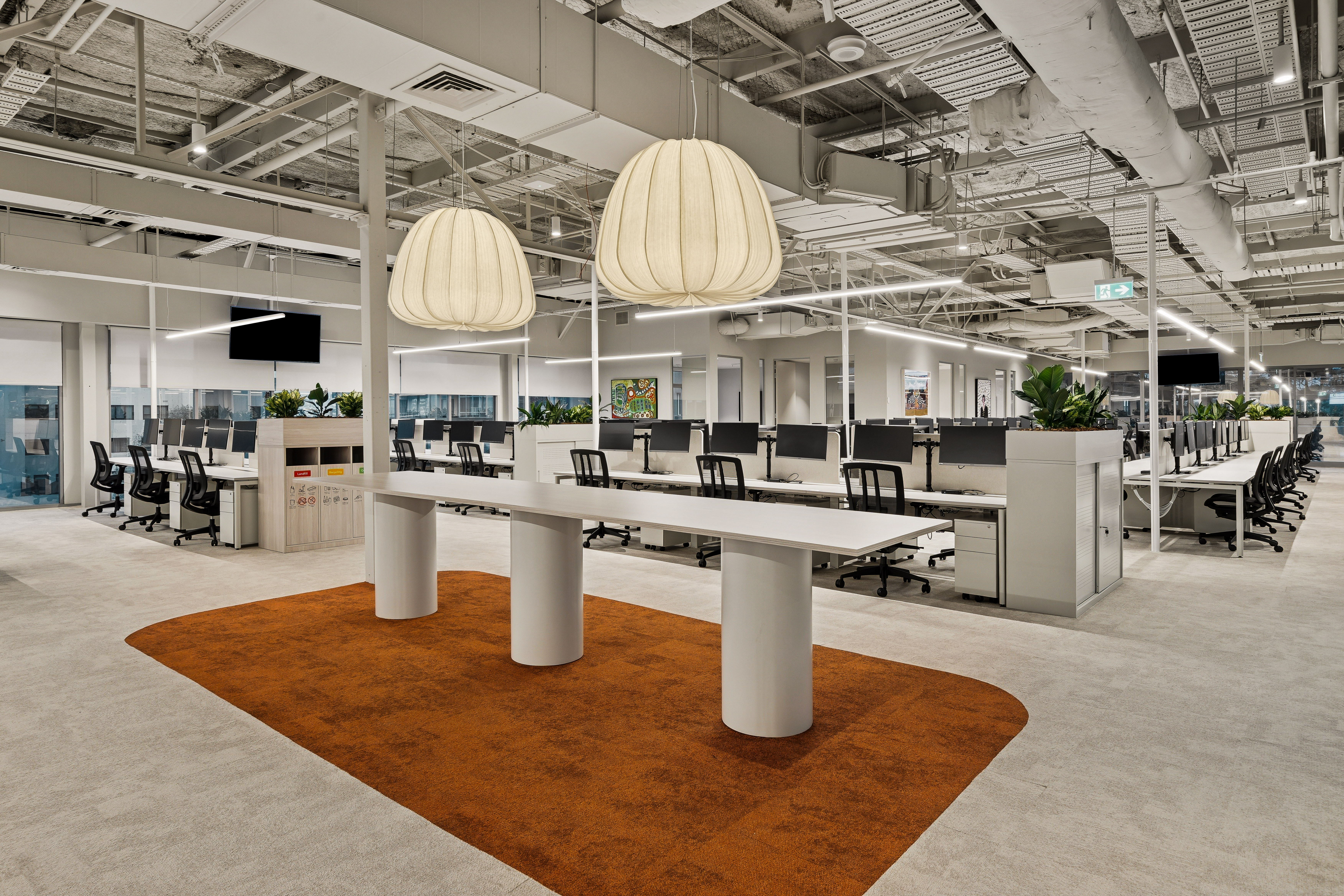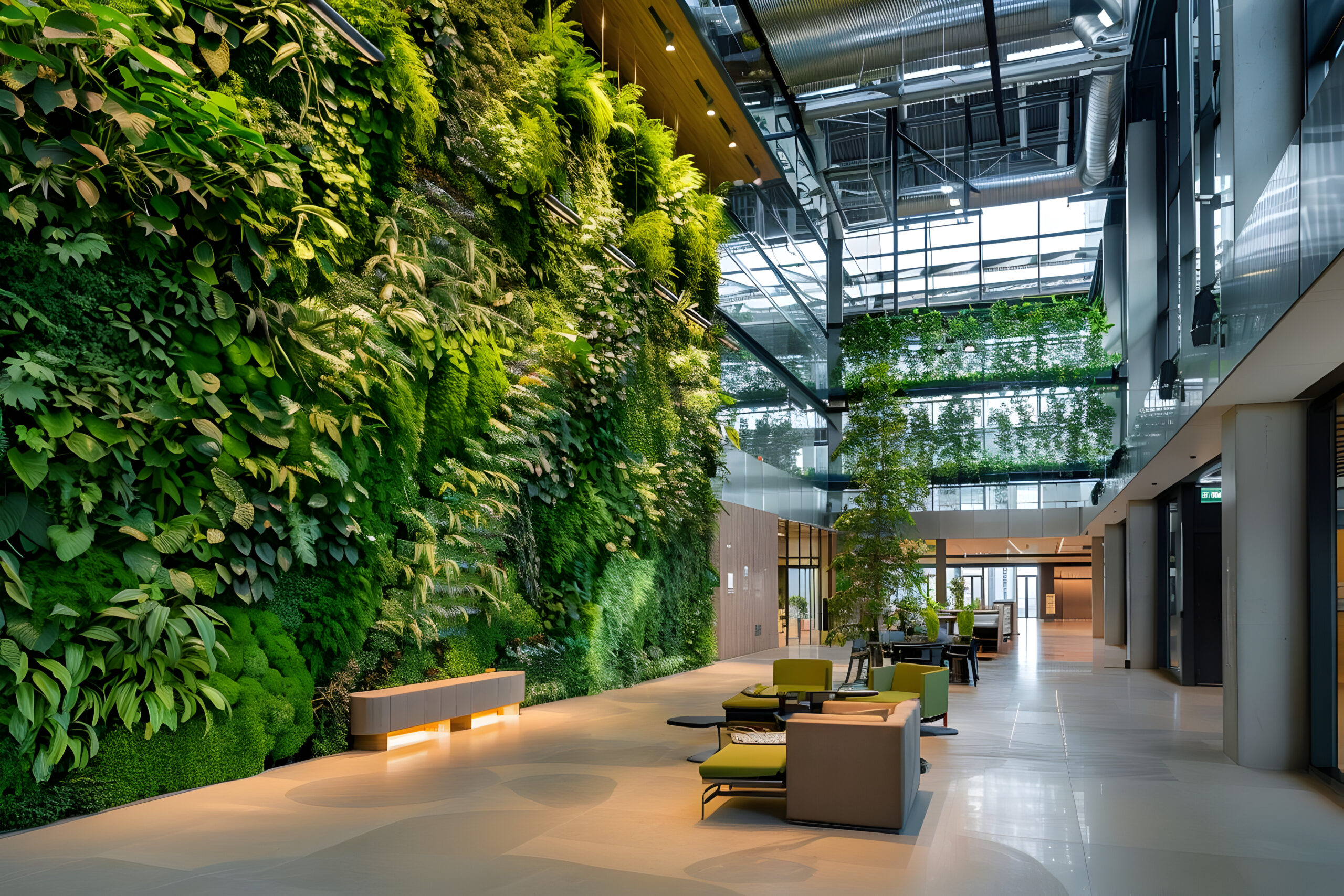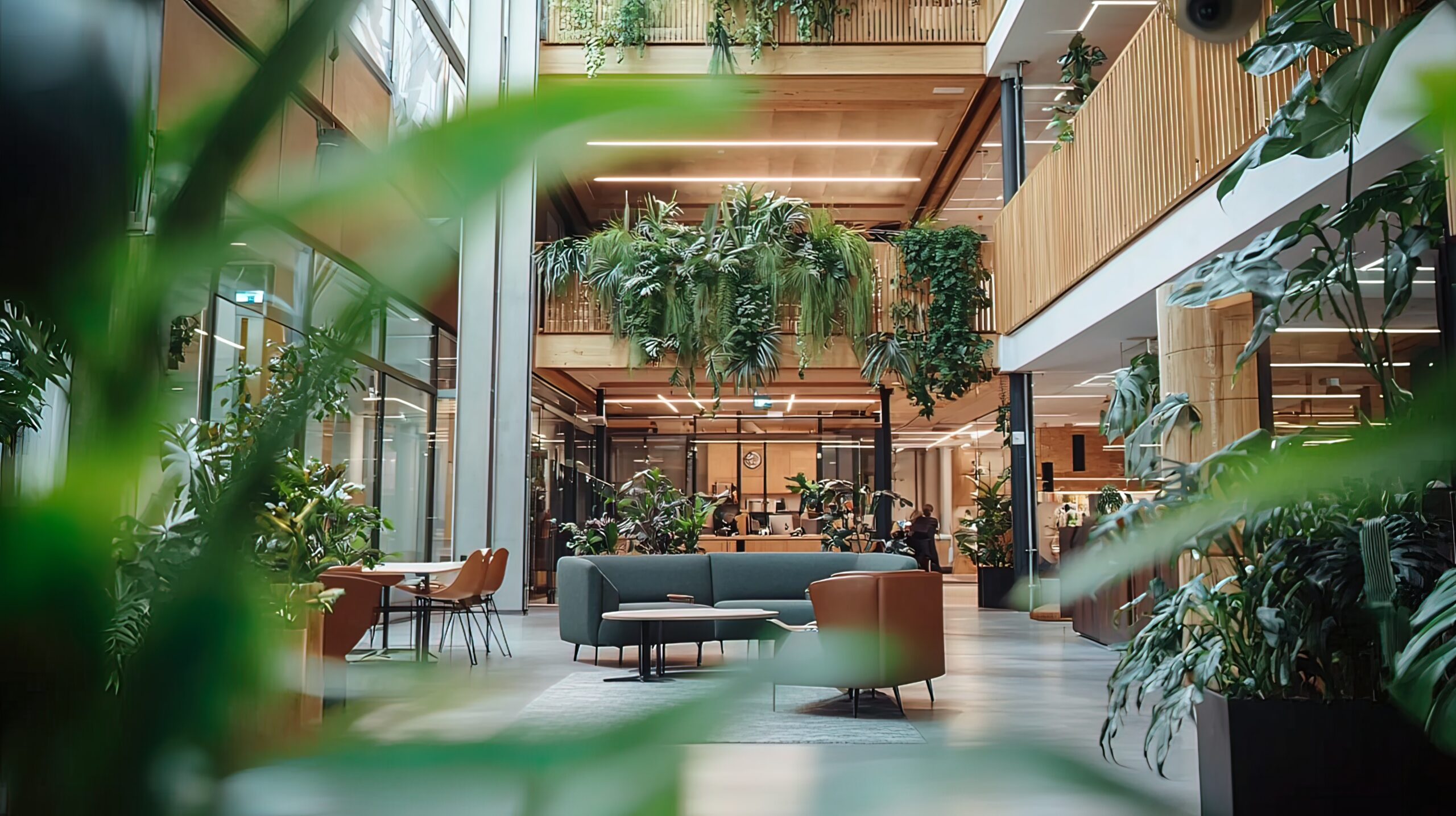
Modern workplace design has shifted well beyond furniture layouts and finishes. Today’s offices are experience driven environments where architecture, landscape and wellbeing intersect. One of the most significant developments in this space is the integration of plants into custom joinery, cabinetry and architectural furniture.
Rather than treating greenery as a decorative afterthought, designers are embedding planting directly into reception desks, workstations, partitions and shelving systems. When executed correctly, this approach creates a seamless biophilic layer that supports wellbeing, improves spatial quality and strengthens brand identity.
However successful integration requires more than aesthetic intent. It demands collaboration between architects, joiners and horticultural specialists from the earliest design stages.
Designing plants into joinery systems
Integrating plants into joinery is a technical exercise as much as a design one. While cabinet makers can fabricate planter boxes, they are not always equipped with the horticultural and moisture control knowledge required for living systems.
Without proper detailing, built in planting can introduce significant risk. Water ingress, inadequate drainage and incorrect material selection can lead to swelling timber, corrosion and long-term structural damage.
To prevent this, professional plant integration requires:
- Waterproof liners fully separating soil and structure
- Controlled drainage layers to manage overflow
- Removable inner pots or inserts for maintenance access
- Moisture resistant joinery materials such as sealed timber or powder coated metal
- Defined irrigation strategy to prevent manual overwatering errors
Tropical Plant Rentals works directly with design teams and joiners to ensure these systems are resolved before fabrication. This early coordination significantly reduces remedial work and protects both design intent and built assets.
Selecting plant species for architectural conditions
Plant selection is not universal. It must respond to light levels, airflow, maintenance access and spatial function.
In high light reception areas and atriums, tropical species such as Ficus varieties and large foliage plants perform well. In corridors or enclosed meeting zones, low light tolerant species such as Dracaena are more appropriate.
Species selection is always aligned with:
- Available natural light
- HVAC airflow and temperature stability
- Maintenance accessibility
- Intended visual density and scale
This ensures plants remain healthy and consistent within the architectural language of the space rather than declining after installation.
Managing water, drainage and long term risk
Water management is the most critical technical consideration in built in planting. Unlike freestanding pots, integrated joinery systems require engineered solutions to prevent leakage and structural damage.
Tropical Plant Rentals specifies systems that may include:
- Concealed drainage channels within joinery bases
- Integrated irrigation points for consistent watering
- Self-watering reservoirs for reduced maintenance dependency
- Overflow protection layers to protect cabinetry
- Access panels for servicing without dismantling joinery
These systems are designed to eliminate unpredictable maintenance practices and reduce risk for building owners, facilities teams and fit out contractors.
Sustainability and material selection in planted joinery
Sustainability is increasingly embedded in commercial interior specifications. Plant integrated joinery supports this shift when combined with responsible material choices.
Key considerations include:
- FSC certified timber for joinery components
- Recycled or recyclable metal liners
- Low VOC finishes to maintain indoor air quality
- Water efficient irrigation systems that reduce waste
Smart moisture monitoring technology is also becoming more common in larger installations. These systems allow watering to be triggered only when required, improving plant health while reducing unnecessary water use.
Biophilic design outcomes in workplace environments
The integration of plants into joinery contributes directly to biophilic design outcomes that are now central to workplace strategy.
These include:
- Improved spatial comfort and perceived wellbeing
- Enhanced acoustic performance through foliage density
- Subtle zoning of open plan environments without solid barriers
- Increased visual softness in highly serviced architectural spaces
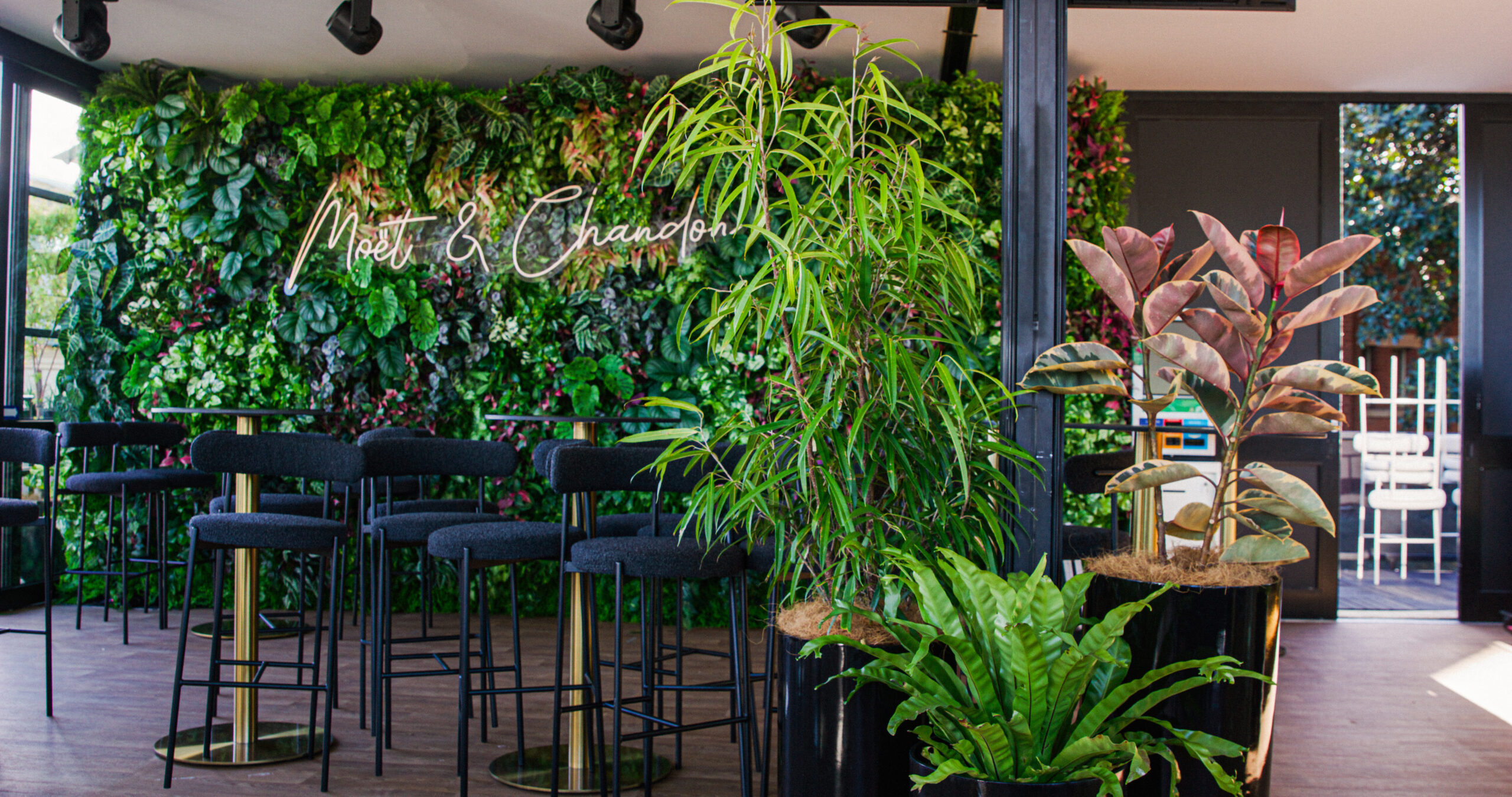
In practice, integrated planting often becomes a defining feature of a workplace. Seating nooks framed with greenery, reception counters embedded with foliage and partition systems softened with trailing plants all contribute to a more human centred environment.
A well considered example is the use of planter integrated booth seating in co working environments where greenery provides both visual privacy and acoustic moderation. These spaces consistently become preferred zones for occupants.
Collaboration between designers joiners and plantscapers
The success of plant integrated joinery depends on early-stage collaboration. When horticultural expertise is introduced after fabrication, design limitations and risk issues are significantly harder to resolve.
Tropical Plant Rentals works with architects, interior designers and joinery manufacturers from concept through to installation. This includes:
- Reviewing drawings for plant viability and maintenance access
- Specifying appropriate structural detailing for live planting systems
- Coordinating irrigation and drainage requirements
- Installing and maintaining plant systems post fit out
This integrated approach ensures that planted joinery performs as intended over time rather than becoming a maintenance burden or design compromise.
Conclusion
Plant integration within custom joinery is no longer an experimental design feature. It is a considered component of modern workplace architecture that requires technical precision and horticultural expertise.
When correctly planned, it enhances wellbeing, strengthens spatial identity and contributes to long term sustainability outcomes. When poorly executed, it introduces unnecessary risk to both design and structure.
Tropical Plant Rentals supports design and fit out teams in bridging this gap between concept and living system ensuring that planted joinery is not only visually compelling but structurally sound and operationally sustainable.
Frequently asked questions
Can all joinery manufacturers build planter integrated furniture?
Most joiners can fabricate planter boxes but not all have experience with living systems. Without horticultural input there is a higher risk of water damage and plant failure. Collaboration with a specialist plant hire provider ensures systems are both structurally sound and horticulturally viable.
How does Tropical Plant Rentals reduce risk in plant integrated joinery projects?
Tropical Plant Rentals works from the design stage to specify correct materials, drainage systems and irrigation solutions. We also ensure plant selection aligns with environmental conditions and that maintenance access is built into the joinery design to reduce long term operational risk.
What is required to safely integrate plants into custom joinery in office fit outs?
Safe integration requires waterproof liners, controlled drainage, appropriate plant selection and a defined irrigation strategy. Coordination between designers, joiners and horticultural specialists is essential to prevent moisture damage and ensure long term plant health.